








Iklan bergaya UGC terus menarik perhatian karena terasa lebih dekat dengan cara orang benar-benar menemukan produk di TikTok, Instagram Reels, dan media sosial berbayar berdurasi pendek. Iklan tersebut terlihat kurang seperti iklan komersial yang dipoles dan lebih seperti pengalaman produk, rekomendasi singkat, atau reaksi autentik. Masalahnya adalah produksi UGC tradisional bisa lambat. Merek harus mencari kreator, mengirimkan produk, menulis brief, menunggu proses pengambilan gambar, meninjau berbagai versi, dan kemudian memulai siklus kembali ketika kinerja menurun. Itulah mengapa semakin banyak tim yang sekarang bertanya Cara membuat iklan UGC berbasis AI tanpa perlu menyewa kreator..
Jawaban praktisnya bukanlah meniru budaya kreator secara buruk. Melainkan membangun sistem pengujian yang lebih cepat. AI membantu tim e-commerce mengubah foto produk, ulasan, proposisi nilai, dan aset demo menjadi... Variasi iklan bergaya UGC yang lebih mudah diluncurkan, dibandingkan, dan diperbarui. Artikel ini secara khusus membahas tentang hal tersebut. konten media sosial berbayar bergaya kreator alih-alih animasi gambar produk atau perencanaan kampanye peluncuran. Untuk produksi kampanye, Alur kerja kampanye e-commerce Ima Studio adalah titik awal terbaik. Bagi tim yang menginginkan kontrol lebih besar atas tata letak, pesan, dan adaptasi kreatif, Editor Kanvas berfungsi sebagai pusat kreasi utama.
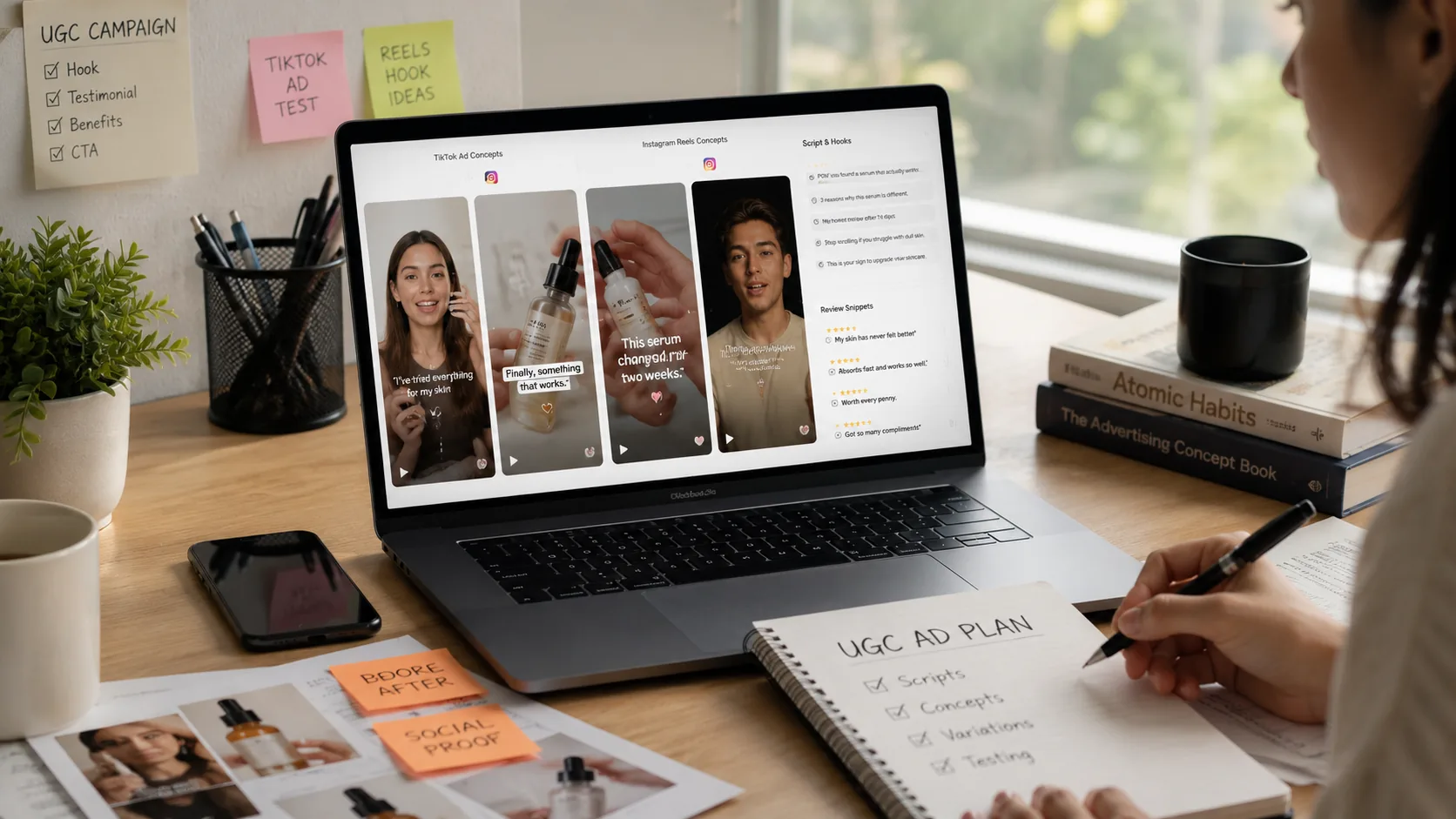
Mengapa Merek Menginginkan Iklan Bergaya UGC?
Sebagian besar penempatan berbayar di media sosial memberi penghargaan pada materi iklan yang terasa alami bagi platform tersebut. Iklan bergaya UGC (User-Generated Content) berhasil karena biasanya melakukan tiga hal dengan baik: menghentikan pengguliran dengan cepat, menjelaskan produk dalam bahasa yang mudah dipahami, dan membuat pemirsa merasa seperti sedang melihat rekomendasi pribadi, bukan monolog merek.
Bagi merek e-commerce, hal itu berarti keuntungan pemasaran yang praktis:
- penjelasan produk yang lebih cepat di dalam feed
- Penceritaan yang lebih mudah dipahami daripada aset yang hanya dibuat oleh studio.
- potensi variasi kreatif yang lebih tinggi di berbagai hook dan format
- lebih cocok untuk TikTok, Meta, dan penempatan konten pendek.
- siklus penyegaran yang lebih sering ketika kelelahan muncul
Itu bukan berarti setiap iklan bergaya UGC (User-Generated Content) mengungguli iklan yang dibuat dengan matang. Artinya, format ini seringkali lebih mudah diuji dengan cepat dan diadaptasi ke penempatan media sosial yang berfokus pada konten di mana perhatian terbatas dan kejelasan pesan sangat penting.
Mengapa Mempekerjakan Kreator untuk Setiap Tes Tidak Efektif dalam Skala Besar
Kemitraan dengan kreator masih berharga, terutama untuk penceritaan yang sarat kepercayaan dan kesadaran merek. Namun, sistem ini tidak selalu paling efisien untuk pengujian kinerja mingguan. Tim yang menjalankan akuisisi berbayar biasanya membutuhkan konsep baru secara terus-menerus: daya tarik baru, keberatan baru, sudut pandang produk baru, penawaran baru, dan pengeditan baru. Mencari kreator manusia untuk setiap variasi akan menambah waktu, biaya, dan koordinasi.
Di sinilah alur kerja AI UGC menjadi bermanfaat. Alur kerja ini tidak menggantikan hubungan dengan kreator. Alur kerja ini mengurangi beban operasional dalam menghasilkan konsep awal dan menguji arahan kreatif sebelum berinvestasi dalam produksi penuh oleh kreator.
Apa Saja Keunggulan Iklan UGC Berbasis AI?
1. Memperluas volume kait
Faktor terpenting dalam meningkatkan performa iklan berdurasi pendek seringkali adalah sudut pandang pembuka. AI mempermudah pengujian berbagai pendekatan dari produk yang sama: berfokus pada masalah terlebih dahulu, manfaat terlebih dahulu, perbandingan sebelum dan sesudah, gaya ulasan, gaya rutin, atau berdasarkan bukti sosial.
2. Memanfaatkan kembali aset yang sudah Anda miliki
Sebagian besar merek sudah memiliki materi sumber yang bermanfaat: foto produk, visual kemasan, ulasan pelanggan, teks halaman arahan, cuplikan demo, dan bahasa penawaran. AI dapat mengubah fragmen-fragmen tersebut menjadi variasi kreatif yang lebih siap untuk kampanye, alih-alih memaksa tim untuk memulai dari nol.
3. Mempersingkat siklus produksi
Alih-alih menunggu proses menghubungi kreator dan putaran penyuntingan, tim dapat menghasilkan konsep awal lebih cepat, meluncurkan pengujian lebih awal, dan mengetahui lebih cepat pesan mana yang layak mendapatkan anggaran lebih besar.
4. Mengurangi pemborosan anggaran kreator
Salah satu penggunaan AI yang paling cerdas adalah pra-validasi. Uji beberapa sudut pandang ala UGC (User-Generated Content) dengan AI terlebih dahulu, kemudian pekerjakan kreator sungguhan hanya untuk arah pesan yang sudah menunjukkan potensi.
5. Mengatasi kelelahan kreatif
Konten media sosial berbayar cepat kehilangan daya tariknya. Alur kerja UGC (User-Generated Content) yang dibantu AI memberi merek cara praktis untuk menyegarkan varian iklan tanpa harus membangun ulang seluruh alur konten setiap saat.
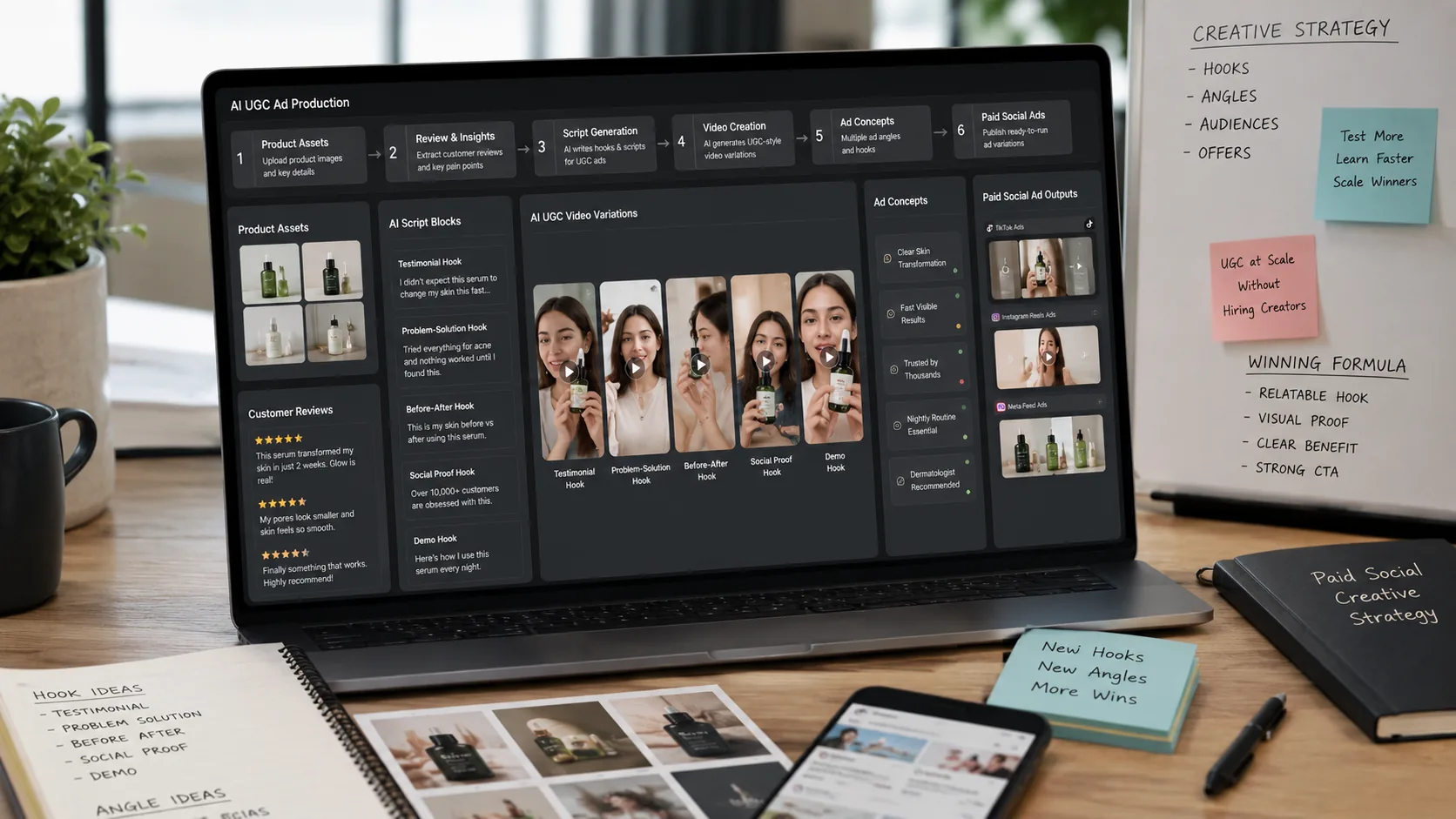
Kapan Sudut Ini Paling Efektif
Topik ini paling efektif ketika sebuah merek ingin pesan bergaya kreator tanpa membangun alur kerja kreator lengkap untuk setiap pengujian. Jika tantangan utamanya adalah mengubah foto katalog statis menjadi iklan bergerak, itu adalah alur kerja yang berbeda. Jika tantangan utamanya adalah urutan peluncuran seputar SKU baru, itu juga merupakan tujuan artikel yang berbeda. Di sini, fokusnya sepenuhnya pada materi iklan yang berorientasi media sosial, seperti testimoni, dan berfokus pada daya tarik.
Apa yang Tidak Dapat Sepenuhnya Digantikan oleh Iklan UGC AI?
Penting untuk jujur tentang keterbatasannya. AI dapat membantu menciptakan struktur iklan bergaya kreator, tetapi tidak sepenuhnya menggantikan tiga hal:
- kepercayaan sejati: Audiens seringkali memberikan respons yang berbeda ketika seorang kreator terkenal benar-benar menggunakan suatu produk.
- pengalaman pribadi: Konten kreator terbaik biasanya mencakup detail dari penggunaan nyata.
- pengaruh komunitas: Kemitraan jangka panjang dengan kreator dapat mendorong lebih dari sekadar kinerja iklan.
Jadi, kerangka berpikir terbaiknya sederhana: gunakan AI untuk kecepatan, variasi, dan pengujian; gunakan kreator manusia di mana kredibilitas dan koneksi pribadi paling penting.
Cara Membuat Iklan UGC AI Tanpa Mempekerjakan Kreator
Mulailah dengan satu tujuan kampanye yang jelas.
Tentukan terlebih dahulu apa yang perlu dilakukan iklan sebelum Anda membuat apa pun. Apakah iklan tersebut bertujuan untuk memperkenalkan produk, mengatasi keraguan, menunjukkan transformasi, atau mendorong klik dengan penawaran tertentu? Gaya UGC (User-Generated Content) hanya efektif jika memiliki tujuan konversi yang jelas.
Kumpulkan masukan sumber yang tepat
Iklan UGC AI terbaik dimulai dengan materi komersial yang bagus: gambar produk, deskripsi produk, masalah yang dihadapi pelanggan, klaim sebelum dan sesudah, ulasan, teks halaman arahan, dan cuplikan demo yang sudah ada. Semakin jelas inputnya, semakin kuat outputnya.
Buat berbagai variasi di sekitar satu produk.
Jangan hanya membuat satu iklan. Buatlah beberapa. Cobalah berbagai pembukaan, urutan visual, nada emosional, dan poin pendukung. Keunggulan sebenarnya dari AI bukanlah produksi yang murah. Keunggulannya adalah kemampuannya untuk belajar lebih cepat melalui variasi yang terstruktur.
Ulasan tentang kesesuaian platform.
Sebelum menjalankan aset di media berbayar, tanyakan pada diri sendiri apakah aset tersebut terasa alami untuk saluran tersebut. TikTok, Meta, dan alur halaman arahan memiliki ekspektasi kecepatan yang berbeda. Iklan bergaya kreator tetap membutuhkan kejelasan, pembingkaian yang cepat, dan visibilitas produk.
Gunakan kreator sungguhan setelah sudut pandang yang menguntungkan sudah jelas.
Alur kerja yang paling efektif seringkali bersifat hibrida. Gunakan AI untuk menemukan konten mana yang layak mendapatkan anggaran. Kemudian libatkan kreator manusia ketika Anda menginginkan sinyal kepercayaan yang lebih kuat, testimoni, atau konten kemitraan yang dibangun di sekitar pesan yang sudah teruji.
Di mana Ima Studio Berada
Ima Studio bermanfaat karena mendukung pola pikir alur kerja daripada sekadar fitur sekali klik. Jika tujuan Anda adalah membangun iklan bergaya kreator yang berorientasi pada konversi, mulailah dengan Ima Studio. alur kerja kampanye e-commerce. Rute tersebut cocok untuk tim yang menguji hook, bukti sosial, keberatan, dan variasi media sosial berbayar dalam skala besar. Bagi tim yang menginginkan pengeditan yang lebih fleksibel, kontrol komposisi, dan eksperimen kreatif di berbagai format, Editor Kanvas adalah sistem yang lebih luas.
Bagaimana Menilai Apakah Karya Kreatif Tersebut Cukup Baik?
Sebelum menyetujui iklan UGC AI untuk ditayangkan, periksa lima hal berikut:
- Apakah beberapa detik pertama mengkomunikasikan produk dengan jelas?
- Apakah iklan tersebut terasa alami dan sesuai dengan penempatannya, bukan dipaksakan?
- Apakah manfaat utamanya mudah dipahami?
- Bisakah konsep tersebut diubah menjadi beberapa varian yang dapat diuji?
- Apakah ini membantu tim belajar lebih cepat tentang sudut mana yang menghasilkan konversi?
Jika jawabannya ya, alur kerja tersebut sudah menciptakan nilai bisnis meskipun Anda kemudian mengganti beberapa versi dengan konten yang dibuat oleh manusia.
Kesimpulan
Sedang belajar Cara membuat iklan UGC berbasis AI tanpa perlu menyewa kreator. Intinya adalah membangun siklus pengujian yang lebih cepat dan lebih mudah diskalakan. Bagi banyak tim e-commerce, hal itu lebih penting daripada meniru budaya kreator secara sempurna. AI membantu Anda mengubah aset yang ada menjadi variasi iklan bergaya kreator, mengidentifikasi strategi yang efektif lebih cepat, dan mengurangi hambatan produksi yang memperlambat pertumbuhan iklan berbayar.
Kreator manusia tetap penting. Tetapi mereka tidak perlu berada di pusat setiap siklus iterasi. Jika tujuan Anda adalah untuk memperluas volume pengujian tanpa memperluas biaya produksi dengan kecepatan yang sama, mulailah dengan alur kerja kampanye e-commerce dan mengadaptasi konsep di dalam Editor Kanvas sesuai kebutuhan.
Tanya Jawab Umum
Bisakah AI benar-benar membuat iklan bergaya UGC tanpa perlu mempekerjakan kreator?
Ya. AI dapat membantu merek menghasilkan konsep iklan bergaya kreator, pengaturan tempo, dan struktur visual yang dapat diuji tanpa perlu mencari kreator untuk setiap variasi.
Apakah itu berarti kreator sejati tidak lagi diperlukan?
Tidak. Kreator sungguhan tetap penting untuk membangun kepercayaan, pengaruh, dan penceritaan yang lebih mendalam. AI paling baik digunakan untuk menguji kecepatan dan iterasi kreatif.
Siapa yang paling diuntungkan dari alur kerja ini?
Para penjual Shopify, merek DTC, dropshipper, dan agensi e-commerce paling diuntungkan karena mereka membutuhkan output kreatif yang tinggi dan pembaruan yang sering.
Apa yang harus dioptimalkan tim terlebih dahulu?
Mulailah dengan daya tarik yang lebih kuat, komunikasi produk yang lebih jelas, dan volume variasi yang lebih tinggi. Gaya UGC (User-Generated Content) membantu, tetapi performa tetap bergantung pada kualitas pesan dan disiplin pengujian.
Tentang Penulis