







UGCスタイルの広告は、TikTok、Instagram Reels、短尺有料ソーシャルメディアで人々が実際に商品を発見する方法に近いと感じられるため、注目を集め続けています。洗練されたコマーシャルというよりは、商品体験、簡単な推薦、または本物の反応に近いものです。問題は、従来のUGC制作は時間がかかることです。ブランドはクリエイターを探し、商品を発送し、ブリーフを作成し、撮影を待ち、バージョンを確認し、パフォーマンスが低下したらサイクルをやり直さなければなりません。そのため、より多くのチームが現在、 クリエイターを雇わずにAI UGC広告を作成する方法.
現実的な答えは、クリエイター文化を安易に模倣することではなく、より高速なテストシステムを構築することです。AIは、eコマースチームが製品写真、レビュー、価値提案、デモアセットを UGCスタイルの広告バリエーション 起動、比較、更新が容易なもの。この記事では特に、 クリエイター風の有料ソーシャルクリエイティブ 製品イメージアニメーションやローンチキャンペーンの企画ではなく、キャンペーン制作においては、, Ima Studioのeコマースキャンペーンワークフロー が最適な出発点です。レイアウト、メッセージ、クリエイティブな適応をよりコントロールしたいチームには、, キャンバスエディター 主要な制作拠点として機能する。.
ブランドがUGCスタイルの広告を求める理由
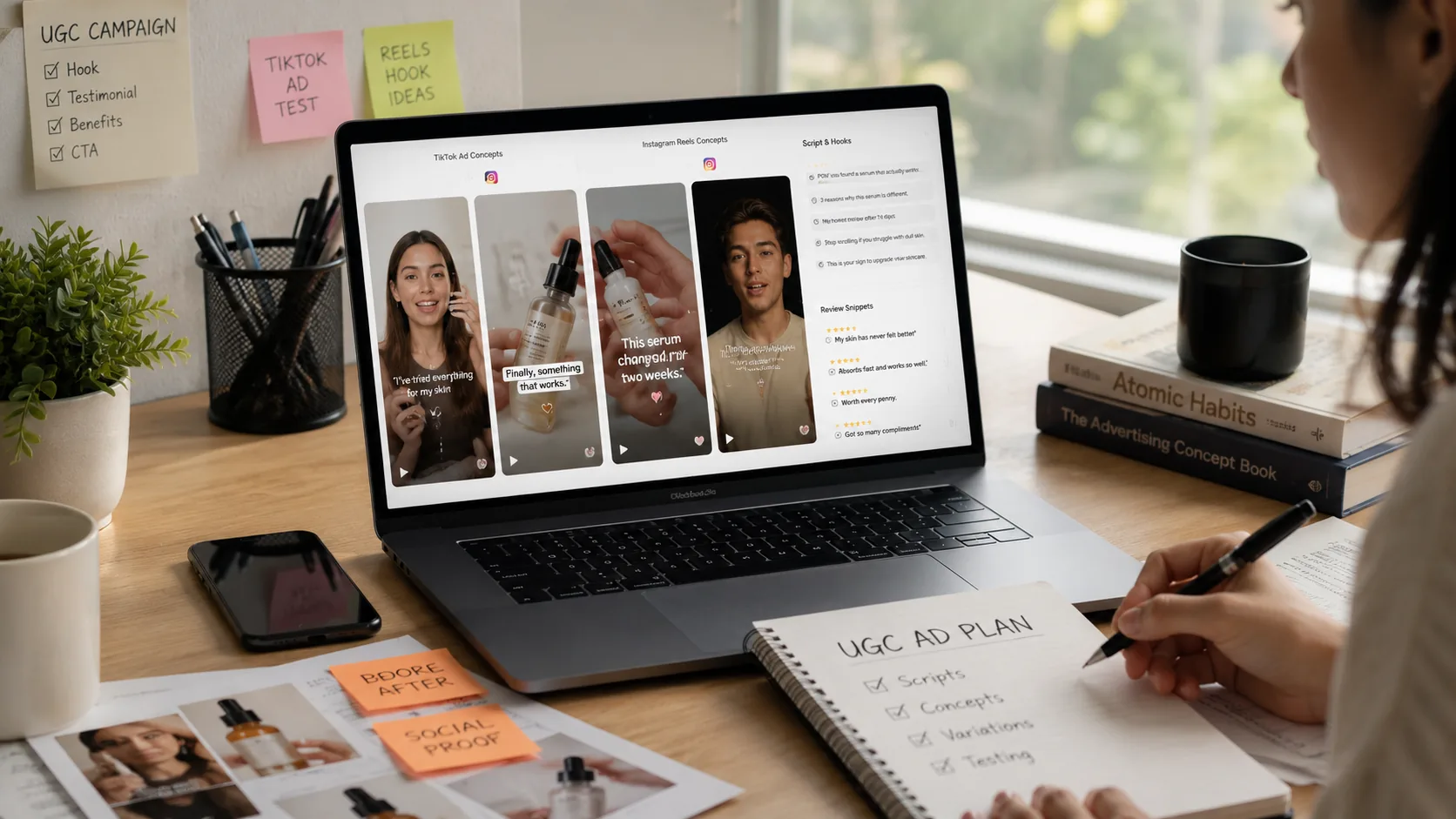
有料ソーシャルメディア広告の多くは、プラットフォームに自然に溶け込むようなクリエイティブを高く評価します。UGC(ユーザー生成コンテンツ)スタイルの広告が効果的なのは、通常、スクロールを素早く止め、製品を分かりやすい言葉で説明し、ブランドの一方的な説明ではなく、個人的な推薦を見ているような感覚を視聴者に与えるという、3つの点をうまくこなしているからです。.
eコマースブランドにとって、これは実質的なマーケティング上のメリットにつながります。
- フィード内でより迅速な製品説明
- スタジオ限定のアセットよりも共感を呼ぶストーリーテリング
- フックやフォーマットを横断した、より高い創造性の多様性の可能性
- TikTok、Meta、ショートフォームの掲載場所により適しています
- 疲労が現れたら、リフレッシュサイクルをより頻繁に行う
それは、UGCスタイルの広告が必ずしも洗練されたクリエイティブ広告よりも優れているという意味ではありません。むしろ、このフォーマットは迅速にテストしやすく、注目度が限られており、メッセージの明確さが即座に求められるソーシャルメディアのネイティブな掲載場所に適応しやすいという意味です。.
テストごとにクリエイターを雇うことがスケールしない理由
クリエイターとのパートナーシップは、特に信頼性が求められるストーリーテリングやブランド認知度向上において、依然として価値があります。しかし、毎週のパフォーマンステストを行う上で、必ずしも最も効率的なシステムとは言えません。有料広告運用チームは、常に新しいコンセプトを必要としています。新しいフック、新しい反論、新しい製品アングル、新しいオファー、そして新しい編集などです。バリエーションごとにクリエイターを探すことは、時間、コスト、そして調整の手間を増大させます。.
ここでAIを活用したUGCワークフローが役立ちます。これらはクリエイターとの関係を置き換えるものではありません。本格的なクリエイター制作に投資する前に、最初のコンセプトを作成したり、クリエイティブな方向性をテストしたりする際の運用上の負担を軽減します。.
AI UGC広告が実際に得意とすること
1.フックのボリュームを増やす
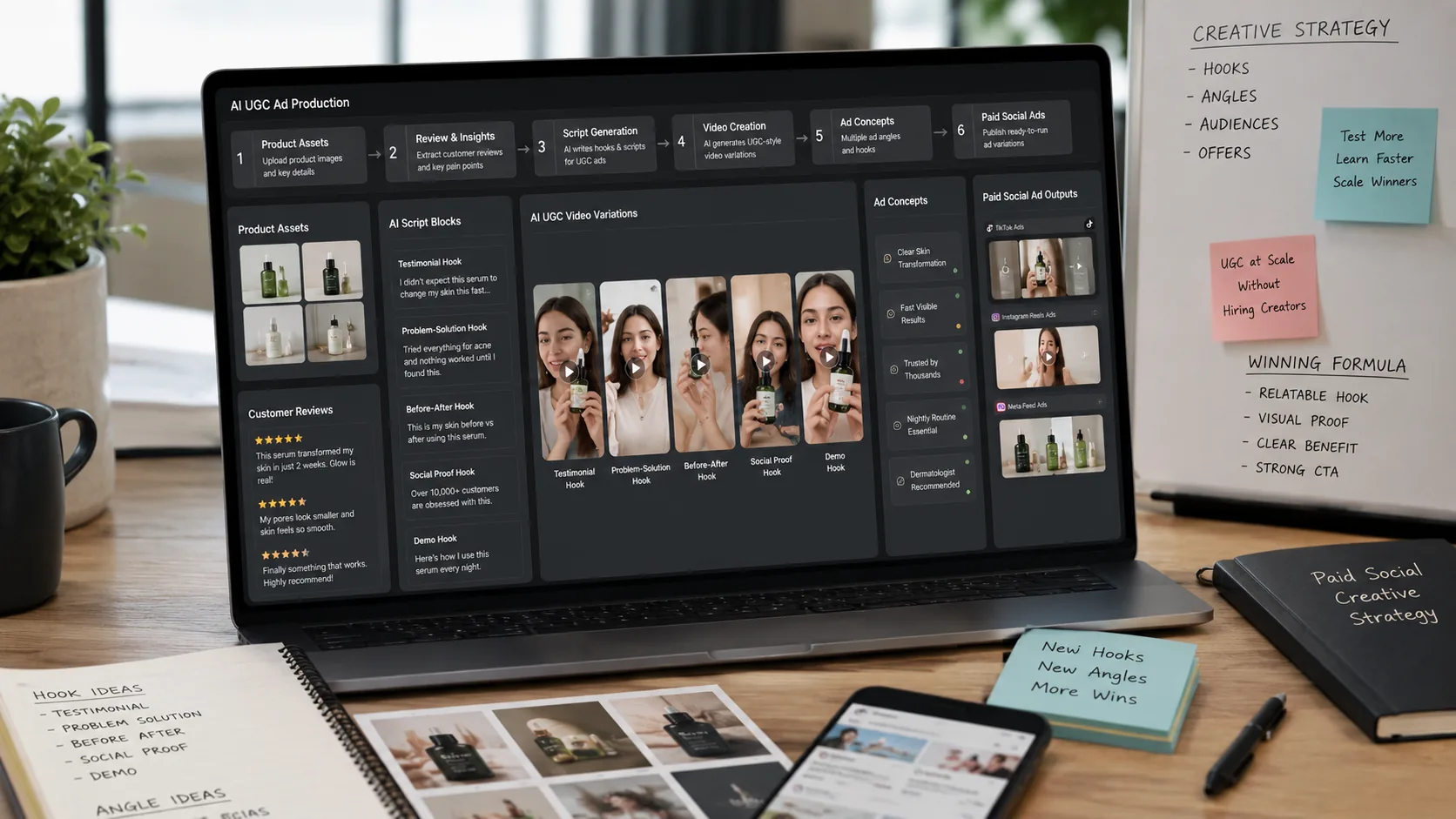
短尺広告における最大のパフォーマンス向上要因は、多くの場合、冒頭の切り出し方です。AIを活用することで、同じ製品から複数のアプローチを簡単にテストできます。例えば、問題点を最初に提示する、メリットを最初に提示する、ビフォーアフターを比較する、レビュー形式、日常的な流れを描写する、あるいは社会的証明を前面に出すなどです。.
2. 既に所有している資産を再利用すること
ほとんどのブランドは既に、製品写真、パッケージ画像、顧客レビュー、ランディングページのコピー、デモ映像、オファー文など、有用な素材を保有しています。AIはこれらの素材を、チームがゼロから作成する必要なく、キャンペーンにすぐに活用できるクリエイティブなバリエーションへと変換することができます。.
3.生産サイクルの短縮
クリエイターへの働きかけや編集作業を待つ代わりに、チームはより迅速に最初のコンセプトを生み出し、より早くテストを開始し、どのメッセージに予算を多く割くべきかをより早く判断できる。.
4. クリエイターの無駄な支出を削減する
AIの最も賢明な活用法の一つは、事前検証です。まずAIを使ってUGC(ユーザー生成コンテンツ)スタイルの様々なアプローチをテストし、有望なメッセージングの方向性に基づいてのみ、実際のクリエイターを起用します。.
5. クリエイティブな疲労と闘う
有料ソーシャルメディア広告はすぐに飽きられてしまう。AIを活用したUGC(ユーザー生成コンテンツ)ワークフローは、ブランドがコンテンツパイプライン全体を毎回再構築することなく、広告バリエーションを効果的に更新できる実用的な方法を提供する。.
この角度が最適な場合
このトピックは、ブランドが クリエイター風のメッセージング すべてのテストに対して完全なクリエイターパイプラインを構築することなく、この問題を解決できます。もし主な課題が静止画のカタログ写真を動画広告に変換することであれば、ワークフローは異なります。また、主な課題が新SKUの発売順序を決定することであれば、記事の意図も異なります。ここでは、ソーシャルメディアに最適化され、証言のような、フック主導型の広告クリエイティブに焦点を当てます。.
AI UGC広告では完全に代替できないもの
限界について正直であることが重要です。AIはクリエイタースタイルの広告構造の作成に役立ちますが、次の3つのことを完全に置き換えることはできません。
- 真の信頼: 有名なクリエイターが実際に製品を使用した場合、視聴者の反応は異なることが多い。
- 個人的な経験: 最も優れたクリエイターコンテンツには、通常、実際の使用状況に関する詳細情報が含まれています。
- コミュニティへの影響: 長期的なクリエイターとのパートナーシップは、広告パフォーマンス以上の効果をもたらす可能性がある。
つまり、最適な考え方はシンプルだ。スピード、多様性、テストにはAIを活用し、信頼性や個人的なつながりが最も重要な場面では人間のクリエイターを活用する。.
クリエイターを雇わずにAIを使ったUGC広告を作成する方法
まずは明確なキャンペーン目標を一つ設定することから始めよう。
広告を作成する前に、その広告が何を達成する必要があるのかを明確にしましょう。製品を紹介するのか、懐疑心を払拭するのか、変化を示すのか、特定のオファーでクリック数を増やすのか。UGC(ユーザー生成コンテンツ)は、明確なコンバージョン目標がある場合にのみ効果を発揮します。.
適切な情報源を収集する
最高のAI UGC広告は、優れた商用素材から始まります。製品画像、製品説明、顧客の悩み、ビフォーアフターの事例、レビュー、ランディングページのコピー、既存のデモ映像などです。入力が明確であればあるほど、出力は強力になります。.
1つの製品をベースに複数のバリエーションを構築する
広告は1つだけでなく、複数作成しましょう。オープニング、ビジュアルの順序、感情的なトーン、そして説得力のあるポイントなど、様々な要素を試してみてください。AIの真の利点は、制作コストが安いことではありません。構造化されたバリエーションを通して、より速く学習できる能力こそが、AIの真の利点なのです。.
プラットフォームの適合性に関するレビュー
有料メディアでアセットを配信する前に、そのコンテンツがそのチャネルに自然に馴染むかどうかを自問自答してください。TikTok、Meta、ランディングページのループ広告は、それぞれ異なるペースで展開されることが求められます。クリエイタースタイルの広告であっても、明瞭さ、テンポの良い構成、そして製品の視認性は不可欠です。.
勝算が明確になったら、本物のクリエイターを起用しよう
最も効果的なワークフローは、多くの場合ハイブリッド型です。AIを活用して、予算を割くべきフックを特定します。そして、より強力な信頼性を示すシグナル、顧客の声、または既に検証済みのメッセージに基づいたパートナーシップコンテンツが必要な場合は、人間のクリエイターを起用します。.
Ima Studioが当てはまる場所
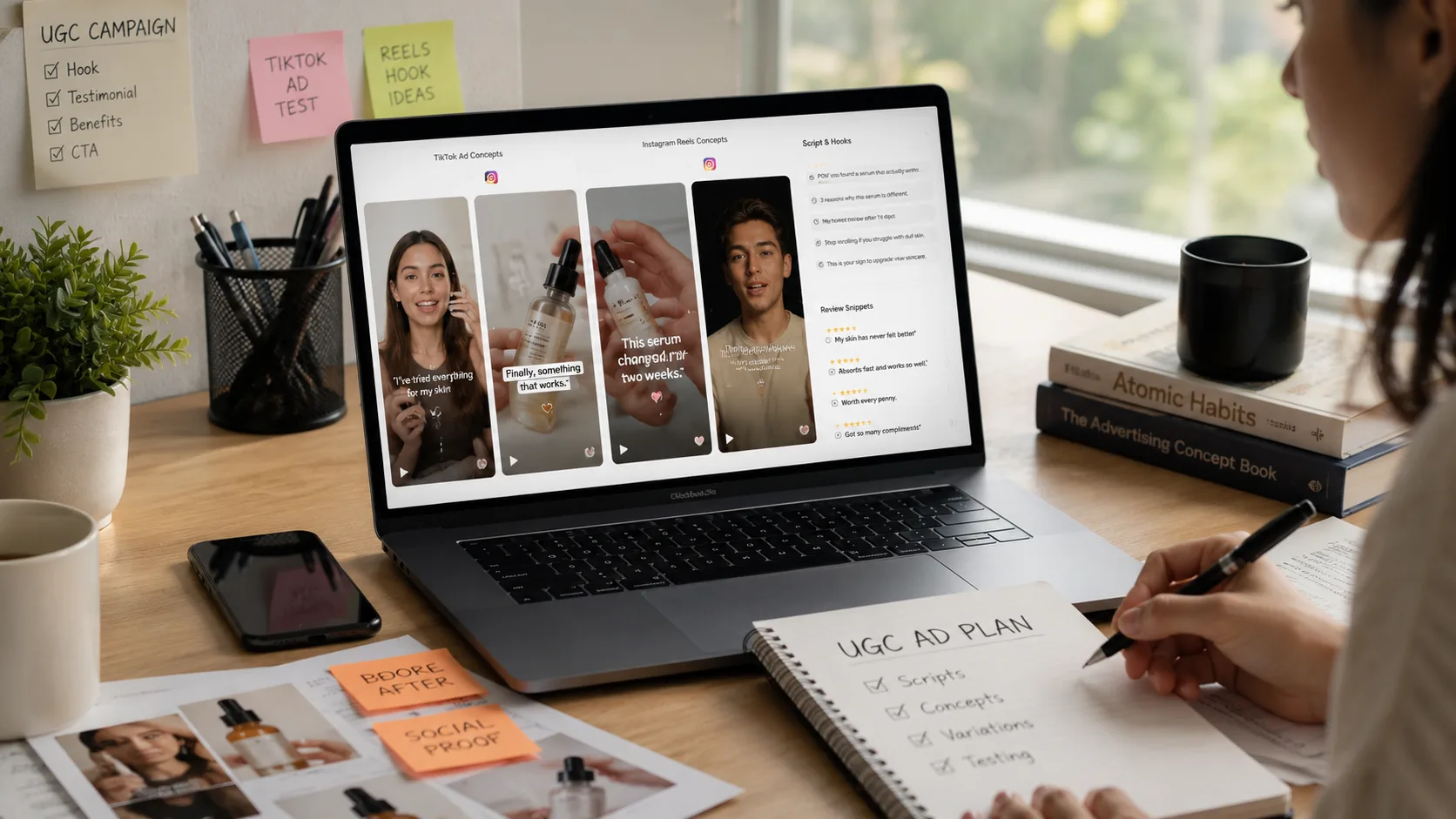
Ima Studioは、ワンクリックの目新しさよりもワークフロー思考をサポートしているため便利です。コンバージョン重視のクリエイタースタイルの広告を作成することが目標であれば、 eコマースキャンペーンのワークフロー. このルートは、フック、ソーシャルプルーフ、反論、有料ソーシャルバリエーションを大規模にテストするチームに適しています。より柔軟な編集、構成制御、フォーマットを横断したクリエイティブな実験を望むチームには、, キャンバスエディター より広範なシステムです。.
クリエイティブの質が十分かどうかを判断する方法
AIを活用したUGC広告の支出を承認する前に、以下の5つの点を確認してください。
- 最初の数秒で製品の特徴が明確に伝わっているか?
- 広告は、無理やり押し込まれたような印象ではなく、掲載場所に自然に溶け込んでいるように感じられますか?
- その核心的なメリットは理解しやすいですか?
- この概念を、検証可能な複数のバリエーションに展開することは可能だろうか?
- それは、どの角度がコンバージョンにつながるかをチームがより早く学ぶのに役立ちますか?
答えがイエスであれば、後で一部のバージョンを人間が作成したコンテンツに置き換えたとしても、そのワークフローは既にビジネス価値を生み出していると言えます。.
結論
学ぶ クリエイターを雇わずにAI UGC広告を作成する方法 重要なのは、より高速で拡張性の高いテストループを構築することです。多くのeコマースチームにとって、これはクリエイター文化を完璧に模倣することよりも重要です。AIは、既存のアセットをよりクリエイター風の広告バリエーションに変換し、効果的なフックをより早く特定し、有料広告の成長を阻害する制作上のボトルネックを軽減するのに役立ちます。.
人間のクリエイターは依然として重要です。しかし、すべてのイテレーションサイクルの中心にいる必要はありません。生産オーバーヘッドを同じペースで増やさずにテスト量を増やすことが目標であれば、まずは eコマースキャンペーンのワークフロー そして内部の概念を適応させる キャンバスエディター 必要に応じて。.
よくある質問
AIはクリエイターを雇わずに、本当にUGC(ユーザー生成コンテンツ)スタイルの広告を作成できるのだろうか?
はい。AIは、ブランドがクリエイター風の広告コンセプト、ペース配分、テスト可能なビジュアル構造を生成するのに役立ちます。そのため、バリエーションごとにクリエイターを探す必要はありません。.
それはつまり、真のクリエイターはもはや必要ないということなのか?
いいえ。信頼、影響力、そしてより深いストーリーテリングにおいて、真のクリエイターは依然として重要です。AIは、テストのスピードとクリエイティブな反復作業に最適です。.
このワークフローから最も恩恵を受けるのは誰でしょうか?
Shopifyの販売者、DTCブランド、ドロップシッパー、eコマース代理店は、高いクリエイティブな成果物と頻繁な更新を必要とするため、最も恩恵を受ける。.
チームはまず何を最適化すべきでしょうか?
まずは、より強力なフック、より明確な製品コミュニケーション、そしてより豊富なバリエーションから始めましょう。UGC(ユーザー生成コンテンツ)のスタイルは役立ちますが、パフォーマンスは依然としてメッセージの質とテストの徹底度に左右されます。.
著者について