









Während die Begeisterung für die Weltmeisterschaft wieder zunimmt, etabliert sich still und leise ein neues Format in den sozialen Medien: KI-generierte Sportübertragungsvideos.
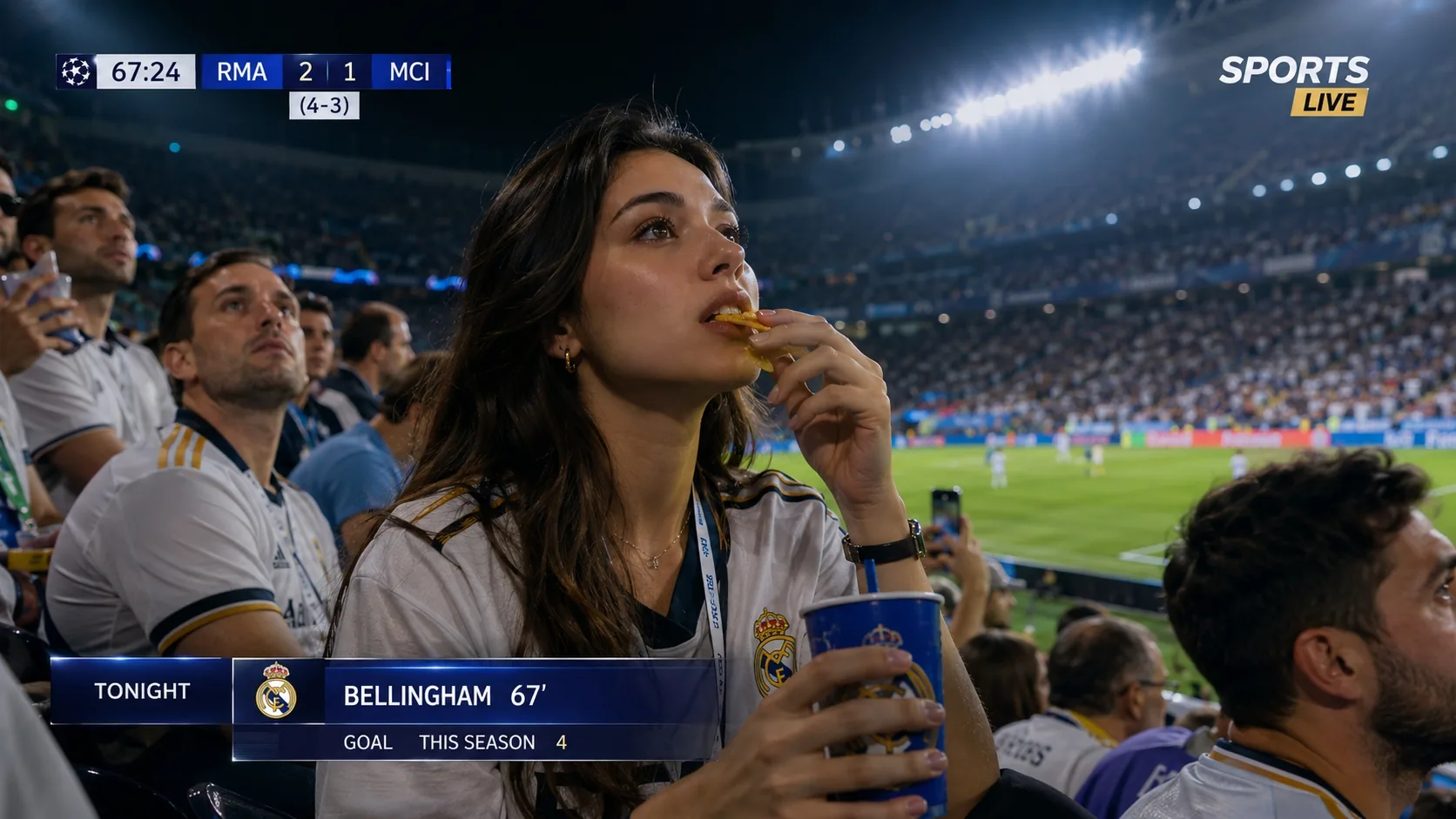
Nicht nur Fußballposter. Nicht nur generische KI-Highlights. Sondern Inhalte, die aussehen, als kämen sie direkt aus einer Live-Sportübertragung – komplett mit Anzeigetafel-Einblendungen, Stadionflutlichtern, komprimierter Übertragungstextur, Publikumsreaktionen und Kamerabewegungen, die überraschend realistisch wirken.
Das ist wichtig, weil das Publikum der Bildsprache des Sportfernsehens bereits vertraut. Sobald ein Bild die richtige Mischung aus … enthält, … Bildgestaltung der Übertragung, Atmosphäre des Live-Spiels und glaubwürdige Publikumsenergie, Es sieht nicht mehr aus wie “nur eine weitere KI-Visualisierung”, sondern fühlt sich an wie ein reales Ereignis, das jemand zufällig festgehalten hat.
Für Kreative, KI-Künstler und Content-Teams ist dieser Trend mehr als nur eine Neuheit. Er eröffnet ein neues Format für visuelle Darstellungen von Sporthype, Storytelling aus der Perspektive von Kreativen, Fan-Edits und KI-Kurzvideos. Wenn Sie mit der Bilderstellung beginnen möchten, KI-Bildgenerator ist der direkteste Einstiegspunkt. Wenn Sie diese visuellen Elemente in Bewegtbilder und Clips im Broadcast-Stil umwandeln möchten, KI-Videogenerator ist der logische nächste Schritt.
Warum KI-gestützte Sportübertragungsinhalte so viral wirken
Die besten KI-gestützten Sportvisualisierungen funktionieren, weil sie ein visuelles System nachahmen, das Menschen sofort erkennen. Sportübertragungen haben eine ganz spezifische Grammatik:
- 16:9 Live-TV-Bildformat
- Anzeigetafeln und Spielzeitmesser
- Wasserzeichen im Kanalstil
- geringe Schärfentiefe
- leichte Bewegungsunschärfe
- Flutlichtanlage des Stadions und Rasenfläche
- Menschenmengendichte und Reaktionsaufnahmen
- leicht unvollkommene Rundfunkkompression
Sobald diese Elemente gemeinsam auftreten, interpretiert das Gehirn des Betrachters die Szene als Live-Ereignis. Das erzeugt die wertvollste Reaktion bei Social-Media-Inhalten: Moment mal, ist das echt?
Dieser Moment des Zögerns verleiht dem Format seine Wirkung. Das Ergebnis ist nicht nur visuell ansprechend, sondern wirkt auch kulturell vertraut.
Drei Formate, die den Trend prägen
Die meisten der herausragenden Beispiele lassen sich in drei Kategorien einteilen: Text-zu-Bild-Sendeszenen, Bild-zu-Bild-Einblendungen von Menschenmengen und Bild-zu-Video-Storytelling von “Live-Momenten”.
Beispielhafte Anregungen zum Ausprobieren
Nachfolgend finden Sie drei englische Beispielaufforderungen, die vom ursprünglichen Workflow adaptiert wurden. Sie sind nicht dazu gedacht, blind für jede Plattform kopiert zu werden, bieten aber einen guten Ausgangspunkt für Experimente zur Bildgenerierung, Bild-zu-Bild- und Bild-zu-Video-Konvertierung.
Beispiel 1: Text-zu-Bild-Umwandlung einer Sportübertragungsszene
Ultrarealistische Live-Sportübertragung, gefilmt wie eine HD-TV-Übertragung eines WM-Nachtspiels 2026. Ein riesiges Fußballstadion ist bis auf den letzten Platz gefüllt, die Flutlichter erhellen die Luft und die Atmosphäre ist einfach fantastisch. Im Zentrum des Bildes sitzt eine stilvolle, attraktive Frau ganz natürlich im Publikum. Sie trägt ein dunkelbraunes, ärmelloses Satin-Top mit Stehkragen, schlichte schwarze Ohrringe und schulterlanges, hellgoldbraunes, gewelltes Haar. Entspannt und ganz im Spiel versunken, hält sie in der einen Hand einen halben Cheeseburger und trinkt lässig aus einer blauen Getränkedose. Um sie herum jubeln begeisterte Fußballfans in leuchtend gelben und blauen Trikots und Schals, die einen starken Farbkontrast erzeugen. Gefilmt aus der Frontalperspektive einer Live-Sportübertragung, 16:9-Format, geringe Schärfentiefe, scharfer Fokus auf dem Motiv, sanft verschwommener Hintergrund. Realistische Stadionbestuhlung, mitreißende Zuschauermenge, Live-Anzeigetafel und Spielzeitanzeige oben links sowie ein Wasserzeichen im Stil eines Sportkanals oben rechts. Natürliche Stadionbeleuchtung bei Nacht, realistische Hauttextur, detaillierte Haarsträhnen, Satin-Stoffdetails, realistische Texturen von Speisen und Getränken, flüssige und glaubwürdige Kameraführung – filmreif, aber dennoch authentisch wie eine Live-TV-Übertragung.Beispiel 2: Bild-zu-Bild-Aufforderung “Live-TV-Aufnahme”
Dies ist ein Screenshot aus einer Live-Fußballübertragung. Die Kamera schwenkt auf die Zuschauermenge, wo die Referenzperson in den vorderen Reihen nahe der Seitenlinie sitzt, dem Spielgeschehen natürlich zulächelt und scheinbar nicht bemerkt, dass sie gefilmt wird. Die Gesichtszüge der Person sollen unverändert bleiben und ihre Identität gewahrt werden. Umgeben Sie sie mit einem lebhaften, realistisch wirkenden Publikum in einem vollbesetzten Abendstadion. Fügen Sie ein komplettes Overlay einer Fußball-TV-Übertragung hinzu: eine Anzeigetafel in der oberen linken Ecke mit Mannschaftswappen, Spielstand, Spielzeit und Turniermarkierung; ein Wasserzeichen im Stil eines Sportkanals in der Ecke; und eine Grafik für die Übertragung im unteren Drittel. Verwenden Sie ein 16:9-Bildformat. Das Bild sollte von einem echten Fernseh-Screenshot nicht zu unterscheiden sein, mit professioneller Farbkorrektur, leichten Kompressionsartefakten, dezenter Interlaced-Textur und sattem Grün des Stadionlichts, das vom Spielfeld auf die Tribünen reflektiert wird. Das Spiel ist Arsenal gegen Tottenham, Rückspiel des FA-Cup-Halbfinals im Emirates Stadium. Die Anzeigetafel zeigt Arsenal mit 2:1 für Tottenham in der 67. Minute an, womit Arsenal insgesamt mit 3:1 führt. Anstoß am Abend, Flutlicht an, Stadion ausverkauft.Beispiel 3: Live-Übertragungsmoment mit Bild-zu-Video-Umwandlung
Realistische Sportübertragungskamera, geringe Schärfentiefe, natürliche Stadionbeleuchtung, komprimierte Fernsehbildqualität, leichte Bewegungsunschärfe, Autofokus-Atmung, Verwacklungsunschärfe, realistische Zuschauerbewegungen, authentisches Live-Übertragungsgefühl, 16:9-Format. Der Mann im Referenzbild schaut sich das Spiel entspannt an, während er Bier trinkt und einen Hotdog isst. Die Live-Kamera bemerkt ihn und zoomt langsam heran, wie ein echter Fußballkommentator, der einen interessanten Fan im Publikum einfängt. Die Bildkomposition sollte ungezwungen und realistisch wirken, nicht übertrieben filmisch. Hinter ihm tragen Fans Trikots von Real Madrid; einer wirft einen kurzen Blick in die Kamera, während ein anderer das Spiel mit dem Handy filmt. Er stellt Bier und Hotdog ruhig auf den Platz neben sich, steht natürlich auf, betritt in Freizeitschuhen das Spielfeld und nimmt einem Spieler den Ball flüssig ab. Realistische Körperbewegungen und Live-Sportkamera-Tracking sind wichtig. Er dribbelt Richtung Mittelfeld und schießt einen perfekten Weitschuss. In einer realistischen Sportübertragungs-Bildkomposition fliegt der Ball kraftvoll durch die Luft. Für eine Sekunde herrscht Stille im gesamten Stadion. Der Ball zappelt – ein perfektes Tor im Winkel. Das ganze Stadion tobt. Die Spieler auf der Bank springen schreiend auf, das Maskottchen wedelt wild mit Requisiten, die Reaktion der Menge lässt die Kamera leicht wackeln, und die Kommentatoren verlieren völlig die Fassung. Der Mann reagiert kaum. Er lächelt kurz in die Kamera und geht ruhig zurück zur Tribüne, während hinter ihm das Chaos ausbricht. Kurz bevor er sich setzt, blickt er mit einem leicht verschmitzten Lächeln direkt in die Live-Kamera und bedeckt die Linse für einen Moment mit der Hand, als wüsste er, dass er gerade einen viralen Internet-Moment ausgelöst hat. Das Video blendet schnell zu chaotischen Wiederholungen und schreienden Fans über.1. Text-zu-Bild-Sendeszenen
Dies ist die einfachste Version. Eine Vorgabe beschreibt ein Stadion im WM-Stil, eine zentrale Person auf der Tribüne, volle Zuschauerränge, Anzeigetafel-Einblendungen und den Look einer Fernsehkamera. Ziel ist es nicht nur, eine Fußballszene zu generieren, sondern etwas zu schaffen, das sich wie ein echtes Fernsehbild anfühlt.
Diese Anweisungen funktionieren am besten, wenn sie nicht nur das Motiv, sondern auch die Kameraführung, die Bildstruktur, die Atmosphäre im Publikum, die Beleuchtung und die Sendegrafik beschreiben. Mit anderen Worten, sie verhalten sich eher wie ein Kurzfassung als eine allgemeine visuelle Beschreibung.
2. Bild-zu-Bild-Workflows “Diese Person dem Match hinzufügen”
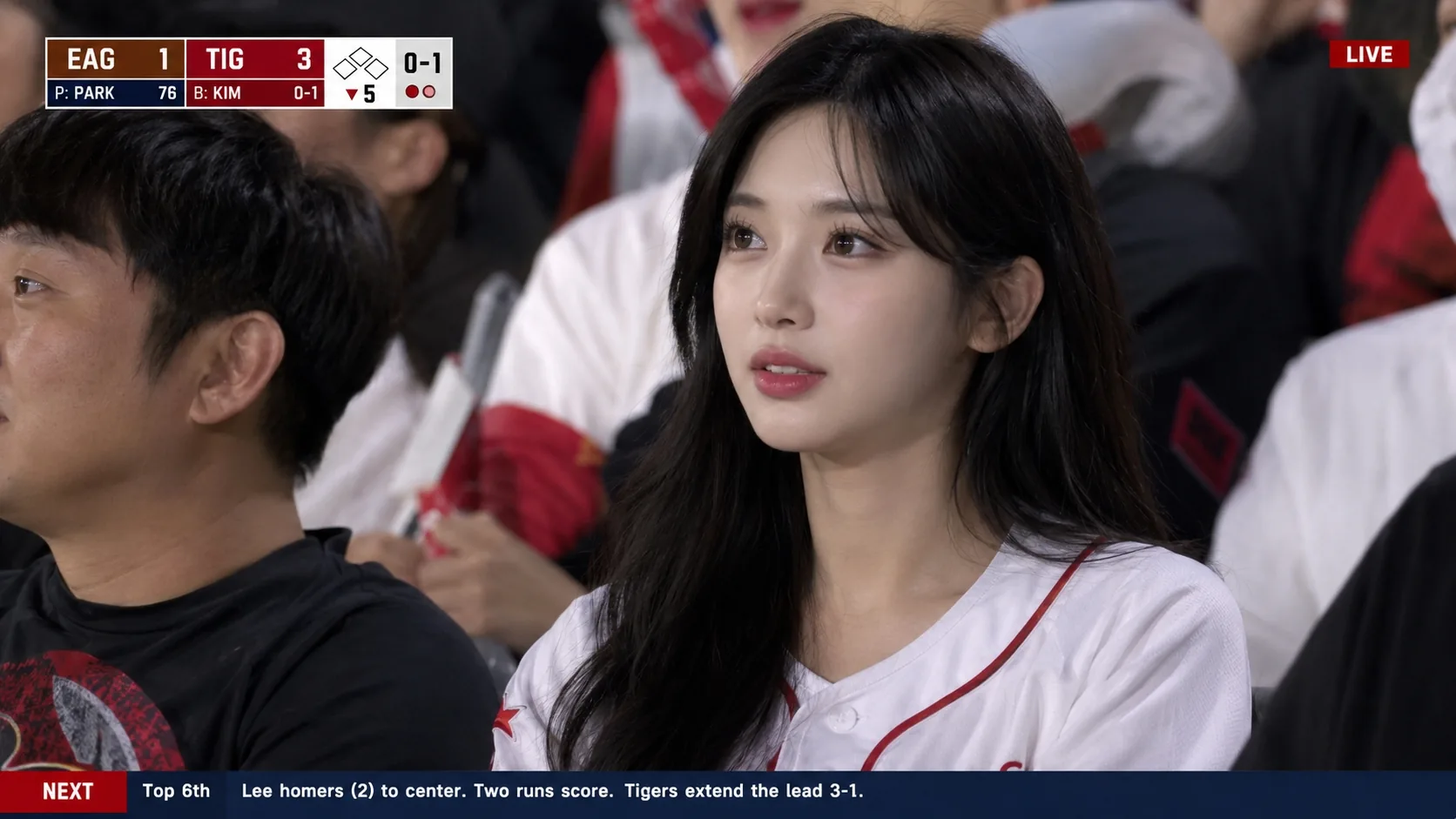
Hier wird das Format besonders teilbar. Eine reale Person anhand eines Referenzbildes wird in eine Live-Fußballübertragung eingefügt – in der ersten Reihe im Stadion, von der Kamera eingefangen, umgeben von Fans, mit realistischen Spielstand-Einblendungen und Spielgrafiken.
Der Grund, warum das so gut funktioniert, ist einfach: Es erzeugt sofortigen Identifikationseffekt. Die Leute stellen sich sofort vor, wie sie unerwartet zur Hauptfigur einer Live-Sportübertragung werden.
Bei diesem Arbeitsablauf ist die Wahrung der Identität von größter Bedeutung. Weicht das Gesicht zu weit vom Original ab, geht die Illusion verloren.
3. Bild-zu-Video-Storytelling im Sportfernsehen
Dies ist die fortschrittlichste und am besten für die virale Verbreitung geeignete Version. Anstatt bei einem Standbild stehen zu bleiben, verwandeln die Kreativen das Referenzbild in eine vollständige Live-Übertragungssequenz.
Ein typisches Beispiel beginnt mit einem ganz normalen Zuschauer im Publikum. Die Kamera zoomt langsam heran. Der Zuschauer steht lässig auf, geht zum Spielfeld, nimmt den Ball, erzielt ein unglaubliches Weitschusstor und kehrt zu seinem Platz zurück, während das Stadion tobt. Der Kontrast zwischen dem “normalen Fan” und dem unglaublichen Sportmoment macht den Clip so unvergesslich.
Warum diese Videos besser abschneiden als generische KI-Clips
Die meisten KI-Videos wirken immer noch wie Tech-Demos. Die besseren Sportübertragungen hingegen verhalten sich bereits wie Content-Produkte.
Sie funktionieren in der Regel, weil sie aus vier stabilen Schichten bestehen:
- Unmittelbarer Realismus: Die Sprache der Fernsehkamera senkt den Widerstand der Zuschauer.
- Klarer Kontrast: Ein ganz normaler Fan wird plötzlich zum Mittelpunkt des Geschehens
- Hoher Gewinn: Ein Tor, ein Jubel oder ein unmögliches Spiel erzeugt den emotionalen Höhepunkt
- Ein unvergessliches Ende: Ein gelassenes Lächeln, das Zurückkehren zum Platz oder ein Blick in die Kamera – all das hält den Clip im Gedächtnis fest.
Diese Struktur ist wichtig. Virale KI-Inhalte basieren nicht mehr allein auf Neuheit. Sie sind dann erfolgreich, wenn sie Vertrautes, Überraschung und eine klare emotionale Wirkung kombinieren.
Was macht eine gute Aufgabenstellung für diesen Stil aus?
Längere Eingabeaufforderungen führen nicht automatisch zu besseren Ergebnissen. Der größte Unterschied liegt meist darin, ob die Eingabeaufforderung die richtigen Ebenen klar definiert.
Das Kamerasystem definieren
Wenn Sie einen realistischen Fernsehauftritt wünschen, sollten Sie Details wie eine realistische Sportübertragungskamera, geringe Schärfentiefe, natürliche Stadionbeleuchtung, komprimierte Fernsehqualität, leichte Bewegungsunschärfe, Autofokus-Breathing, Unvollkommenheiten durch Handkamera und ein 16:9-Bildformat einbeziehen.
Körpersprache definieren
Natürliche Handlungen lassen die Szene glaubwürdig wirken. Ungezwungene Gesten – an einem Getränk nippen, das Spiel verfolgen, sich dem Spielfeld zuwenden, ruhig gehen, leicht in die Kamera lächeln – wirken viel authentischer als übertrieben dramatische Actionposen.
Definiere die Hintergrundreaktionen
Ein Grund dafür, dass sich viele KI-Videos immer noch unecht anfühlen, ist, dass nur das Hauptmotiv “lebendig” ist. Echte Sportübertragungen beinhalten immer Reaktionen aus der Umgebung: Fans in der Nähe drehen ihre Köpfe, Leute filmen mit ihren Handys, die Bank springt, Maskottchen reagieren und die Kamera wackelt leicht aufgrund der Energie der Menge.
Live-TV sollte Vorrang vor filmischer Perfektion haben.
Dieser Punkt ist wichtiger, als die meisten denken. Der Charme dieses Formats liegt darin, dass es sich wie ein spontaner Fernsehauftritt anfühlt, nicht wie ein Trailer für einen Sportfilm. Authentische, ungezwungene und eingefangene Momente kommen in der Regel besser an als übertrieben inszenierte.
Warum verschiedene KI-Plattformen unterschiedliche Ergebnisse liefern
Selbst bei gleicher Aufgabenstellung können die Ergebnisse je nach Plattform stark variieren. Die größten Unterschiede zeigen sich üblicherweise bei:
- Gesichtskonsistenz in Bild-zu-Bild-Workflows
- Komplexe Szenensteuerung in überfüllten Stadionumgebungen
- Realistische Darstellung im Fernsehen versus stilisierte Wiedergabe
- Bewegungskontinuität in langen Videosequenzen
Deshalb ist der klügste Arbeitsablauf in der Regel nicht, “ein perfektes Modell auszuwählen”. Vielmehr lautet er: Testen Sie zunächst dasselbe visuelle Konzept auf mehreren Bildsystemen und verwenden Sie dann das beste Ergebnis als Grundlage für die Videoerstellung und die Erweiterung der Kampagne.
Wo ImaStudio passt
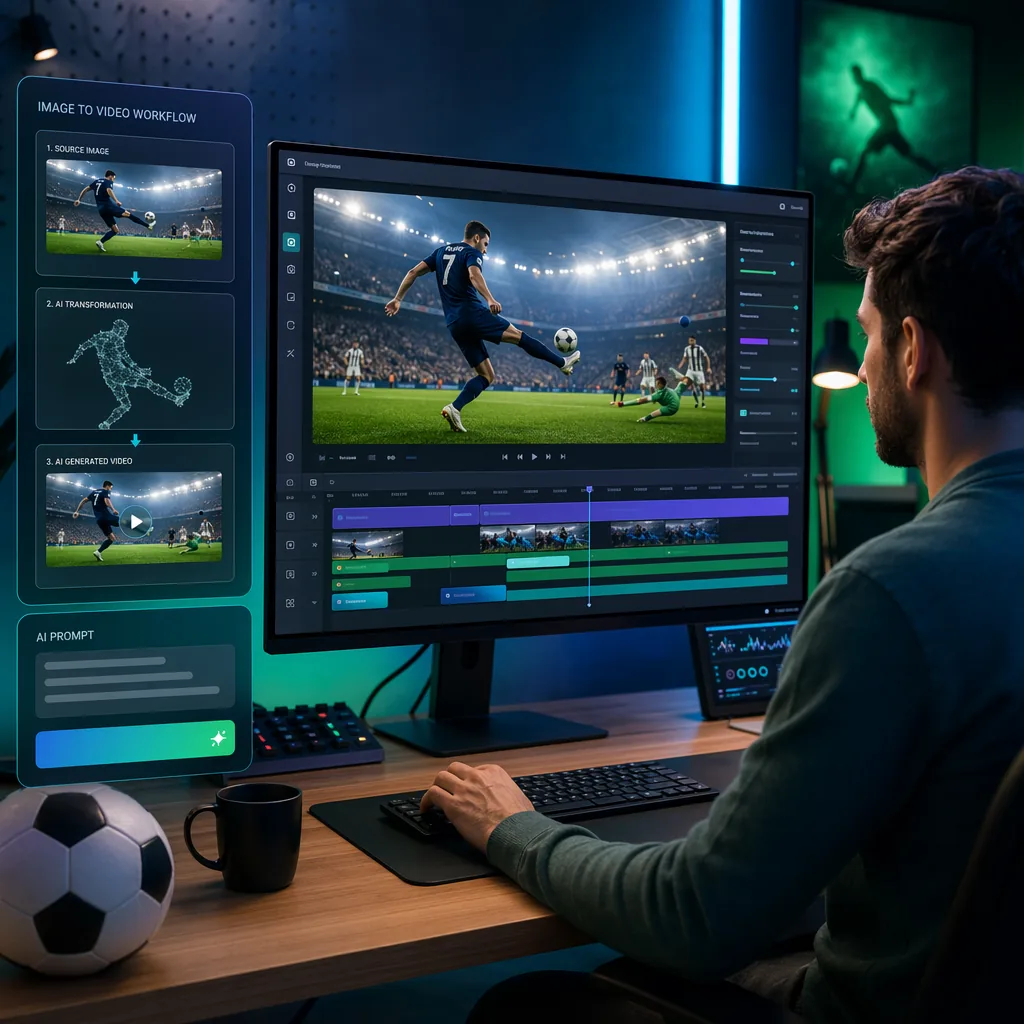
ImaStudio ist hier nützlich, weil es bei diesem Trend nicht nur um die Erstellung eines einzelnen Bildes geht. Es geht um den Aufbau eines Ganzen. wiederholbare Arbeitsabläufe zur Erzeugung von Sport-Hype über Bilder und Videos.
Wenn Sie zunächst Standbilder erzeugen möchten, beginnen Sie mit KI-Bildgenerator. Wenn Sie diese Richtung in bewegungsgetriebene Clips, Highlight-Momente oder Szenen im Broadcast-Stil umsetzen möchten, wechseln Sie zu KI-Videogenerator. Für Teams, die mehrere Entstehungswege erkunden, bietet sich die breitere Perspektive an. KI-Tools-Hub ist nützlich, um weitere Bild- und Video-Workflows zu erschließen.
Die größere Chance liegt nicht in einmaligen Fußballkunstwerken. Vielmehr geht es darum, mithilfe von KI Inhalte zu erstellen, die ereignisbezogen wirken, sozial integriert sind, visuell wiedererkennbar sind und sich leicht von Standbildern zu Kurzvideos erweitern lassen.
Fazit
KI-gestützte Sportübertragungsvideos erfreuen sich immer größerer Beliebtheit, weil sie etwas ganz Bestimmtes leisten: Sie verwandeln ein sehr vertrautes visuelles System in ein Format, das sich hervorragend zum Teilen eignet.
Das macht sie nicht nur für Experimente nützlich. Sie können Teil einer echten Content-Strategie für Kreative, KI-Künstler, Medienteams und alle werden, die auf den Sporthype mit schnelleren, filmischeren und besser für soziale Medien geeigneten Inhalten reagieren wollen.
Mit zunehmender Aufmerksamkeit für die Weltmeisterschaft ist zu erwarten, dass mehr Kreative dieses Format weiterentwickeln werden – nicht nur mit besseren visuellen Effekten, sondern auch mit besserem Storytelling, stärkeren Reaktionen und einer kampagnentauglicheren Umsetzung.
Häufig gestellte Fragen
Warum wirken KI-generierte Sportübertragungsvideos glaubwürdiger als generische KI-Clips?
Weil sie ein visuelles System imitieren, dem die Zuschauer bereits vertrauen: Live-Sportübertragungen im Fernsehen. Die vertrauten Sendesignale lassen die Inhalte schneller real wirken.
Wie kann man am einfachsten damit beginnen, solche Inhalte zu erstellen?
Beginnen Sie mit Text-zu-Bild-Vorschlägen, die sich auf Stadionbeleuchtung, Zuschauerdichte, Spielstand-Einblendungen und Kameraeinstellungen konzentrieren. Sobald das Standbild realistisch wirkt, gehen Sie zur Bild-zu-Video-Konvertierung über.
Was ist bei der Aufgabenstellung am wichtigsten?
Die Bildsprache der Kamera, natürliche Körperbewegungen, Reaktionen der Umgebung und das Gefühl einer Live-Übertragung sind wichtiger als dekorative Adjektive.
Wer kann diesen Trend effektiv nutzen?
Kreative, KI-Künstler, Sport-Content-Seiten, Social-Media-Teams und Marken, die von der Aufmerksamkeit rund um die Weltmeisterschaft oder den Fußball profitieren möchten, können dieses Format effektiv nutzen.
Über den Autor