








Finding the best video ad creator for Shopify sellers is no longer just a creative question. It is a growth question. Shopify brands now have to launch more campaigns, test more hooks, refresh creatives faster, and turn product assets into ad-ready videos without slowing down the rest of the business. A tool that looks impressive but fails in real ecommerce workflows will not help a store scale.
For most sellers, the best solution is the one that helps them move from product images, supplier assets, or rough concepts to conversion-focused video ads quickly enough to support TikTok, Meta, landing-page content, and ongoing performance testing. That is the real evaluation standard.
If your goal is to create ads around real ecommerce use cases rather than generic AI output, Ima Studio’s ecommerce campaign workflow is the most relevant starting point.

Why Shopify Sellers Need a Different Kind of Video Tool
Shopify merchants do not create video for entertainment value alone. They create video to sell. That means the best video ad creator for Shopify sellers must support direct-response needs such as scroll-stopping hooks, product-first storytelling, rapid creative iteration, and multiple ad variants for ongoing testing.
According to research and guidance from sources such as Meta for Business, Think with Google, and HubSpot, video continues to play a major role in product discovery, engagement, and purchase decision-making across digital channels. For ecommerce sellers, that reality creates pressure to keep creative pipelines moving.
In practice, most Shopify teams need to solve five recurring problems:
- Create more ad concepts without rebuilding from scratch every time
- Turn product visuals into campaign-ready video assets
- Test new hooks quickly before creative fatigue hurts performance
- Build UGC-style or native-feeling social content at scale
- Keep creative costs under control while increasing output volume
A normal editor may help finish assets. A strong ecommerce video workflow helps produce more winning assets in the first place.
What Makes the Best Video Ad Creator for Shopify Sellers?
Not every AI video platform is built for ecommerce. Some are visually impressive but weak in production speed, ad-readiness, or campaign usefulness. When evaluating tools, Shopify sellers should focus on the criteria below.
1. It should work from product images, not just polished footage
Many stores do not begin with studio-grade video. They start with supplier photos, product images, simple lifestyle shots, or creative ideas in text form. A practical tool should help convert those inputs into video concepts that are useful for real campaigns.
This is especially important for lean DTC teams, dropshippers, and agencies handling multiple storefronts. If a workflow cannot bridge static product assets and moving ad creative, it misses one of the most valuable use cases in ecommerce.
That is why a path like product demo creation matters. It supports the very common need to turn still visuals into more persuasive, motion-led product communication.
2. It should support fast testing volume
Winning ecommerce ads usually come from iteration, not one perfect creative. Sellers need the ability to test different hooks, value propositions, formats, and pacing styles quickly. The best video ad creator for Shopify sellers should support variation generation, not just one-off output.
3. It should feel ad-ready, not simply AI-generated
A useful ad should keep the product clear, communicate the offer quickly, and maintain visual consistency. If a video looks novel but distracts from the product or weakens the marketing message, it may underperform despite strong aesthetics.
4. It should help with UGC-style and native social formats
UGC-style ads often work because they feel closer to the way people actually encounter products in feeds. Sellers need creative that feels natural in TikTok and Meta environments while still being persuasive and brand-relevant.
5. It should fit a broader ecommerce workflow
The best tool is rarely just a generator. It should help teams move from concept to multiple campaign assets, reuse product inputs efficiently, and support ongoing creative refreshes as performance data comes in.
Why This Matters More in 2026
Customer acquisition is more competitive, creative fatigue hits faster, and brands are expected to ship fresh content constantly. At the same time, many Shopify sellers still operate with small teams and limited production bandwidth. This gap between content demand and production capacity is exactly why AI-assisted video creation has become so relevant.
Industry reporting from Wyzowl and other video marketing studies consistently shows that video remains one of the most effective formats for product explanation, attention capture, and buyer education. For Shopify merchants, this translates into three business needs:
- Speed: launch campaigns faster and shorten time from concept to first ad
- Volume: generate enough variants to test audiences, hooks, and angles
- Efficiency: reduce production cost per creative while keeping quality commercially useful
Common Use Cases for Shopify Sellers
Launching a new product
When a store launches a new product, it often needs more than one asset. There may be a paid social ad, a product-page support video, a short organic teaser, and a few alternate creatives for testing. A good workflow reduces the time needed to build those first campaign assets.
Refreshing fatigued ads
Even strong creatives burn out. Sellers need faster ways to refresh intros, story structure, captions, and product angles without rebuilding every asset manually. AI-assisted workflows help compress this cycle.
Turning product images into ad creatives
This is one of the highest-value use cases in ecommerce. Many Shopify sellers already have usable product images but not enough strong video. The right system should help transform those assets into ads that feel more dynamic and conversion-ready.
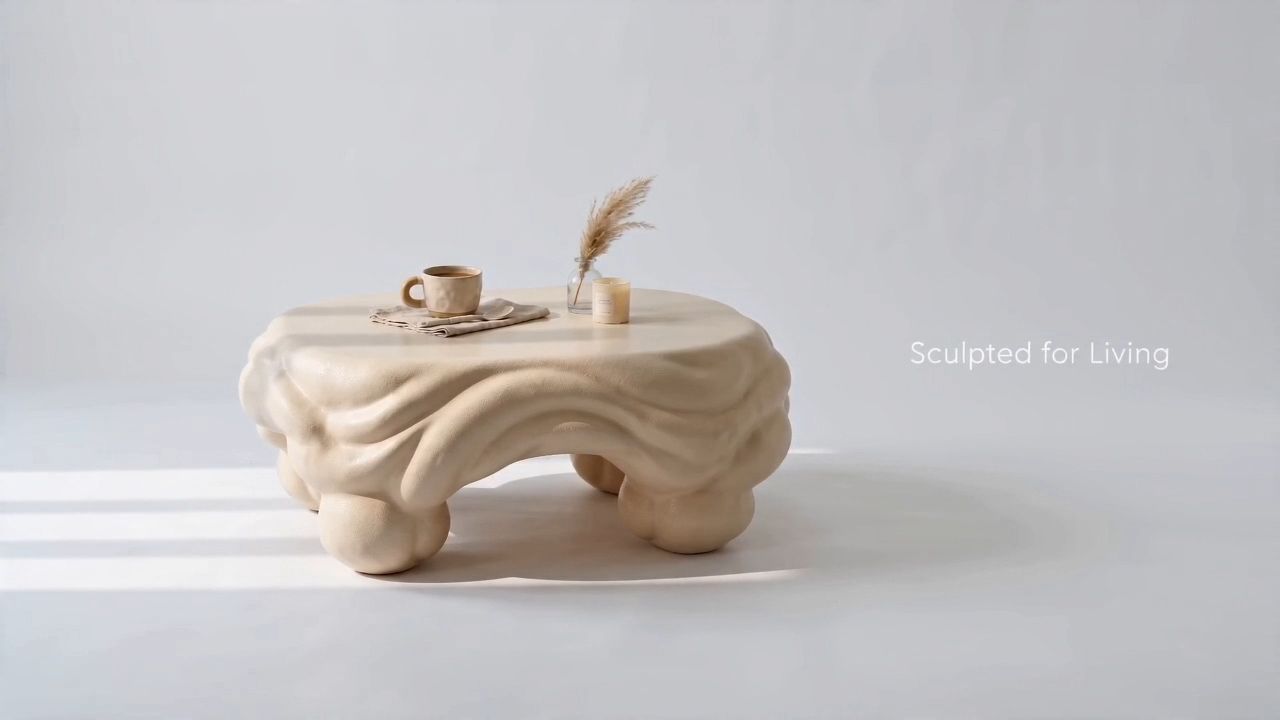
For a concrete example, see how one product image became a minimalist product video ad with a clear reveal, feature beats, and a final hero frame.
Creating UGC-style ads at scale
Brands often want more native-looking ad formats but cannot always source, brief, and manage enough creators at the speed performance marketing requires. That makes UGC-style workflows especially valuable.
Where Ima Studio Fits for Ecommerce Teams
Ima Studio is most useful when evaluated as a workflow system rather than a single-generation tool. For Shopify sellers, that means different paths depending on the starting asset and marketing goal:
- Ecommerce campaign flow: best when the goal is direct campaign production and ad iteration
- Product demo flow: useful when the main input is static product imagery or product-led visual storytelling
- Canvas Editor: useful when teams need a broader creation hub to shape output across multiple formats and scenarios
If you want the most campaign-focused entry point, start with ecommerce campaign tools. If your starting point is static imagery, product demo workflows are the better fit. And if you want a more flexible creation workspace, Canvas Editor remains the main hub.
How to Evaluate a Tool Before You Commit
Before choosing the best video ad creator for Shopify sellers, ask these five questions:
- Can it work with product images, supplier assets, or limited source material?
- Can it help generate multiple ad variations quickly?
- Do the outputs feel commercially useful, not just visually novel?
- Can it support both product-demo and UGC-style use cases?
- Does it match the pace of ecommerce testing and campaign refresh?
If a platform scores well on aesthetics but poorly on production speed or ad usefulness, it may still be the wrong choice for a Shopify growth workflow.
Conclusion
The best video ad creator for Shopify sellers is not the one with the flashiest demo. It is the one that helps ecommerce teams create more useful ads, test more angles, and move faster from product asset to campaign-ready creative. That means prioritizing workflows built around product clarity, iteration speed, UGC-style flexibility, and real ad-readiness.
For teams that want to turn product visuals into stronger campaigns, the next step is to evaluate tools by workflow fit rather than novelty alone. In ecommerce, practical output beats visual spectacle every time.
FAQ
What is the best video ad creator for Shopify sellers?
The best option is the one that helps Shopify merchants turn product assets into ad-ready videos quickly, supports variation testing, and fits real ecommerce workflows across TikTok, Meta, and landing pages.
Can Shopify sellers make video ads if they only have product images?
Yes. In fact, this is one of the most important ecommerce use cases. Strong workflows can turn product images, supplier assets, and simple references into more dynamic ad creative.
Why are UGC-style ads important for ecommerce?
UGC-style ads often feel more native in social feeds, which can improve engagement and make product messaging feel more relatable in paid and organic placements.
Should ecommerce teams prioritize quality or speed?
They need both, but in practice the most effective workflows balance commercially useful quality with enough speed to support regular testing and creative refresh.
About The Author