




Choose GPT-Image-2.5 Sunburst when product shape and repeatable ad spacing matter most. Choose Nano Banana Pro when lower IMA Studio Test credits matter more and you can review geometry carefully. In our 30-output pendant-lamp test, both models completed every requested color, background, copy, and detail-layout step. Sunburst stayed closer to the source product.
The difference appeared before we tried anything flashy. Nano Banana Pro changed the original lamp’s shallow lower shade into a deeper, rounder dome in all three chains. Sunburst retained the source proportions in all three. Every later edit inherited that first decision.
That is the practical question behind GPT-Image-2.5 vs Nano Banana Pro. A polished image is easy to like. Can you still recognize the approved product after five revisions?
GPT-Image-2.5 vs Nano Banana Pro: quick verdict
| Criterion | Winner | What happened in three chains |
|---|---|---|
| Source-product geometry | GPT-Image-2.5 Sunburst | Sunburst kept the shallow, wide shade; Nano made it deeper and rounder 3/3 times |
| One-part color edit | Tie | Both changed only the large lower shade to blue 3/3 times |
| Background edit and change persistence | Tie | Both retained the blue lower shade and orange upper bowl 3/3 times |
| Exact English copy | Tie | Both spelled LIGHT IN BALANCE and SHOP NOW correctly 3/3 times |
| Final ad spacing | GPT-Image-2.5 Sunburst | Sunburst repeated safer title, inset, and CTA margins across all three chains |
| IMA Studio Test quote per stage | Nano Banana Pro | Nano quoted 10 credits; Sunburst high-quality 1K quoted 31 |
Our recommendation is narrow by design. This was one product, one square format, five edits, and three independent chains per model on September 11, 2026. It does not settle portraits, fashion try-on, multilingual posters, or every product category.
If you need the release context first, read what changed in ChatGPT Images 2.5 and why editing control matters.
How we compared the two models
We started with a public-safe product reference already used in an Ima Studio article: one glossy orange pendant lamp, photographed straight on against white. Its structure gave us facts we could actually check:
- one round ceiling canopy and one straight brass rod;
- one small inverted orange bowl above one large orange hemispherical shade;
- one small light opening centered under the large shade;
- the complete fixture visible from canopy to lower rim.
We ran both models through the same IMA Studio Test creation service. GPT-Image-2.5 Sunburst used 1024×1024, high quality, and PNG output. Nano Banana Pro used its nearest matching contract: 1:1 and 1K.
Each model completed three independent five-stage chains:
- Turn the source into a clean ecommerce hero image.
- Change only the large lower shade from orange to cobalt blue.
- Change only the background to pale warm gray.
- Add the exact headline
LIGHT IN BALANCEand CTASHOP NOW. - Recompose the ad with one complete hero and two truthful detail windows.
Each stage consumed the previous stage’s output. That produced 15 outputs per model, 30 in total. We retained failures instead of selecting one good-looking result from a batch.
We scored source geometry, component count, requested-change success, earlier-change persistence, spelling, safe-area spacing, and detail-window truth. A product-identity error could not be canceled out by attractive lighting.
Test 1: Sunburst preserved the source lamp more closely
Sunburst wins product fidelity in this test. All three Sunburst baselines retained the lamp’s shallow, wide lower shade. All three Nano Banana Pro baselines deepened it into a rounder dome.
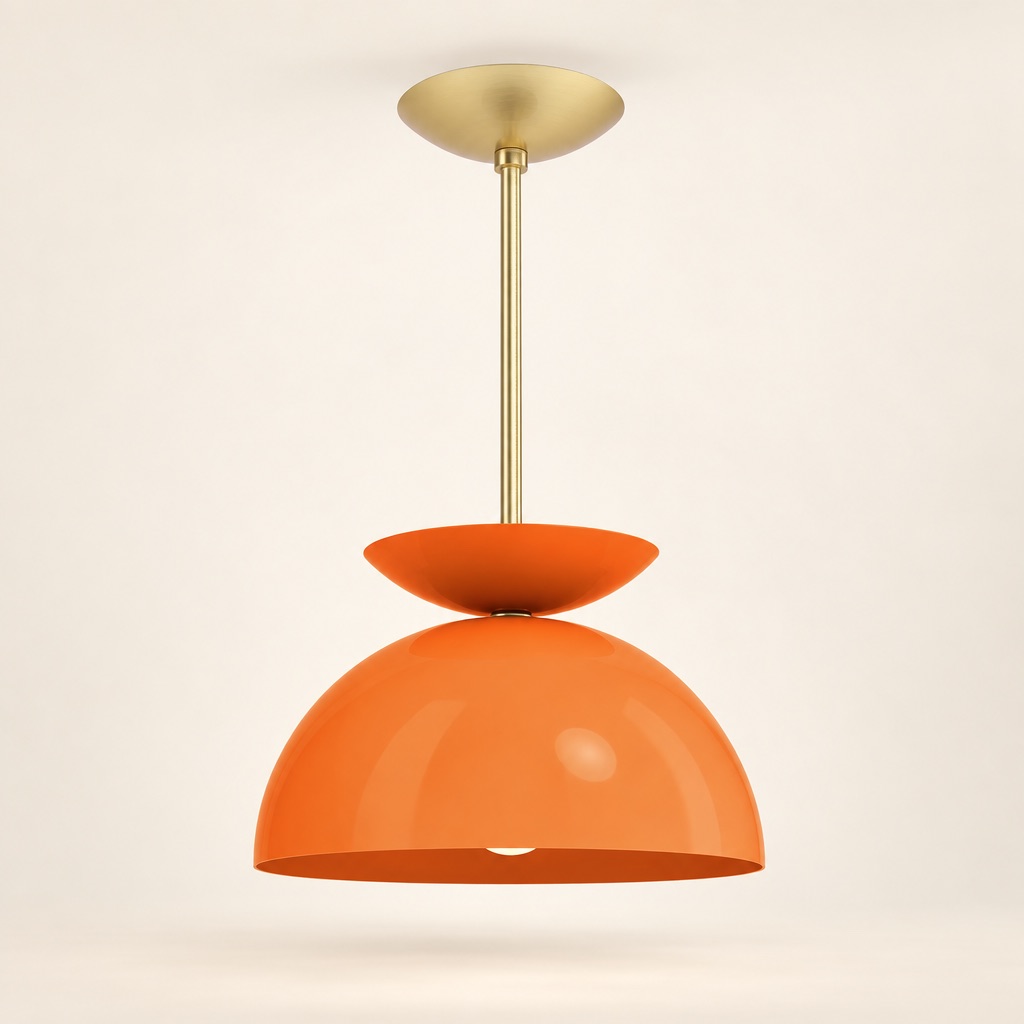
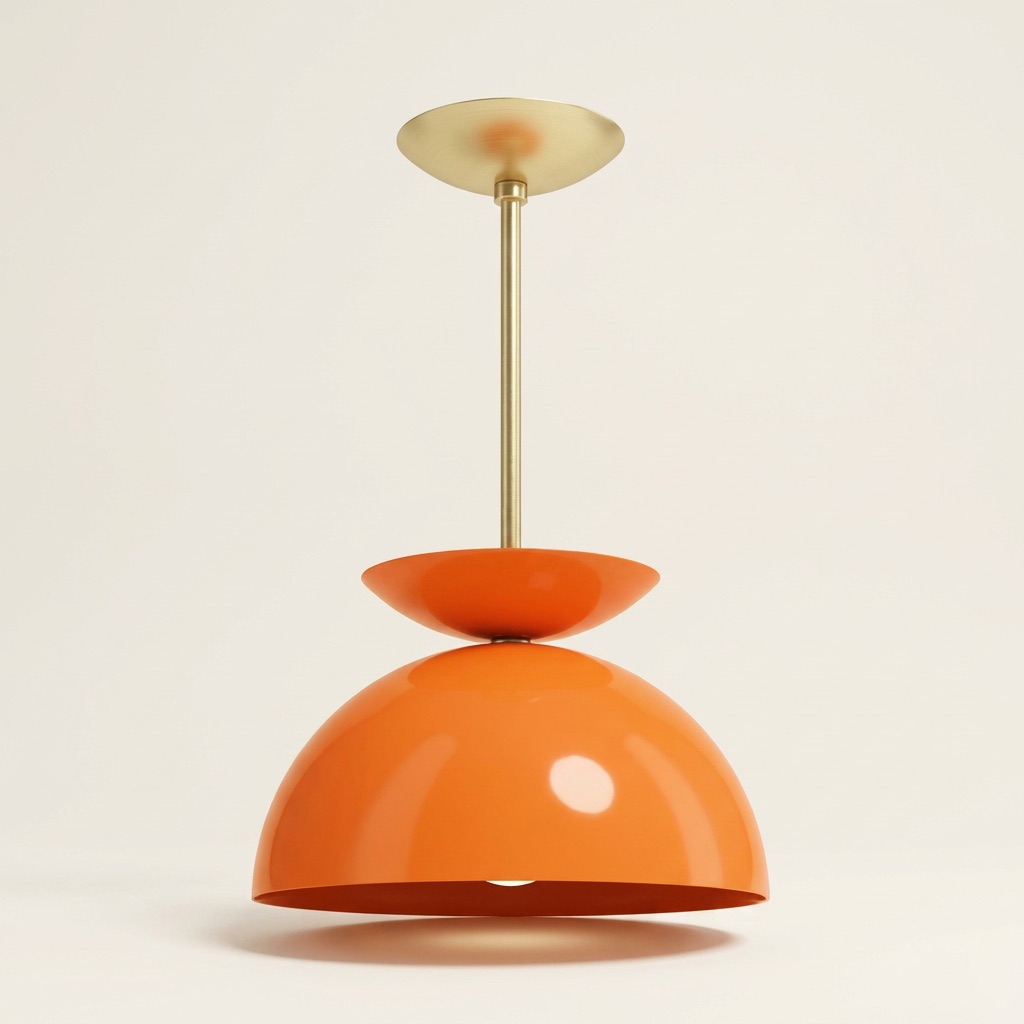
Nano did not lose the lamp. It retained the canopy, rod, two colored shade components, and central opening. The result was recognizable and clean. But a furniture or lighting merchant does not approve “recognizable.” The silhouette is part of the SKU.
This first stage changed the rest of the experiment. Once the deeper dome entered Nano’s chain, later prompts preserved the edited dome rather than recovering the original geometry. That is why reference fidelity has to be checked before style, copy, or layout.
Test 2: both models handled the precise color edit
This round was a tie. We asked each model to change only the large lower shade to deep cobalt blue while keeping the small upper bowl orange. Both models completed the requested edit in all three chains.
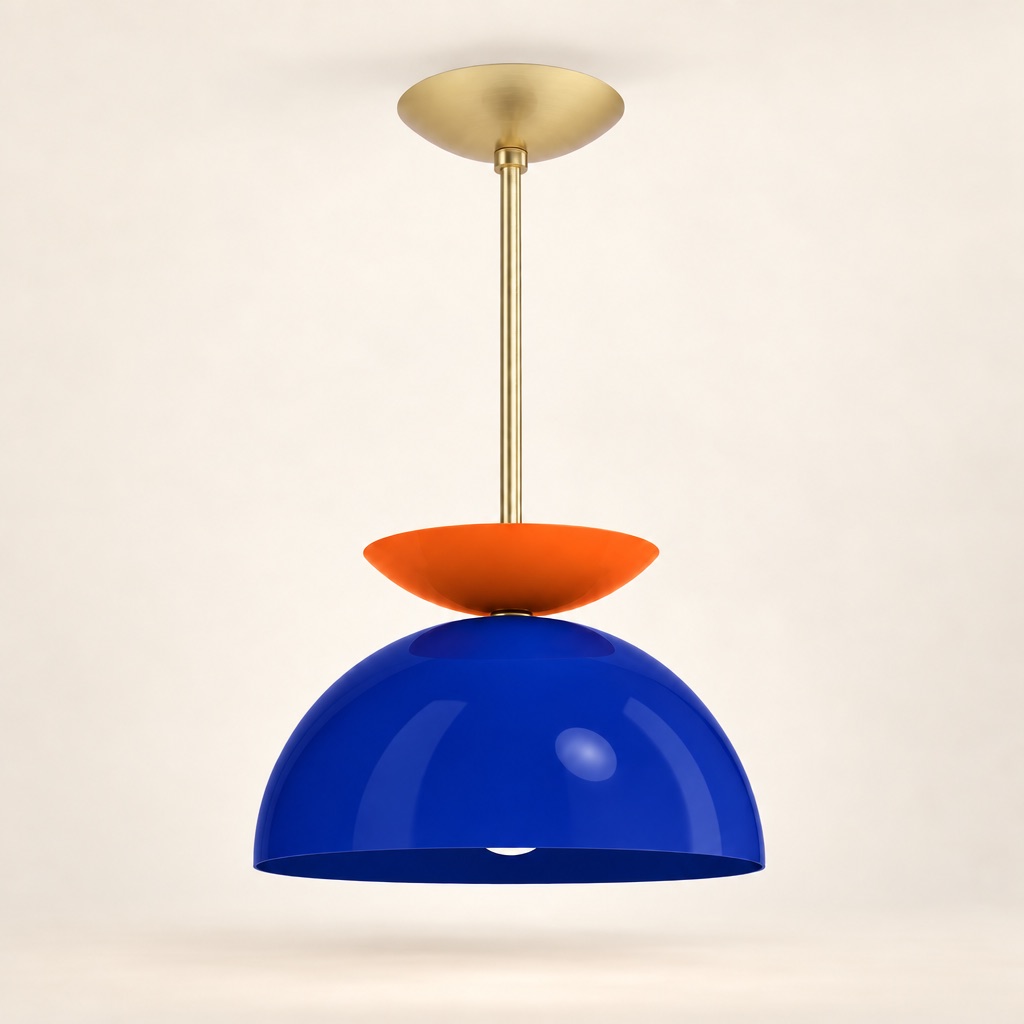
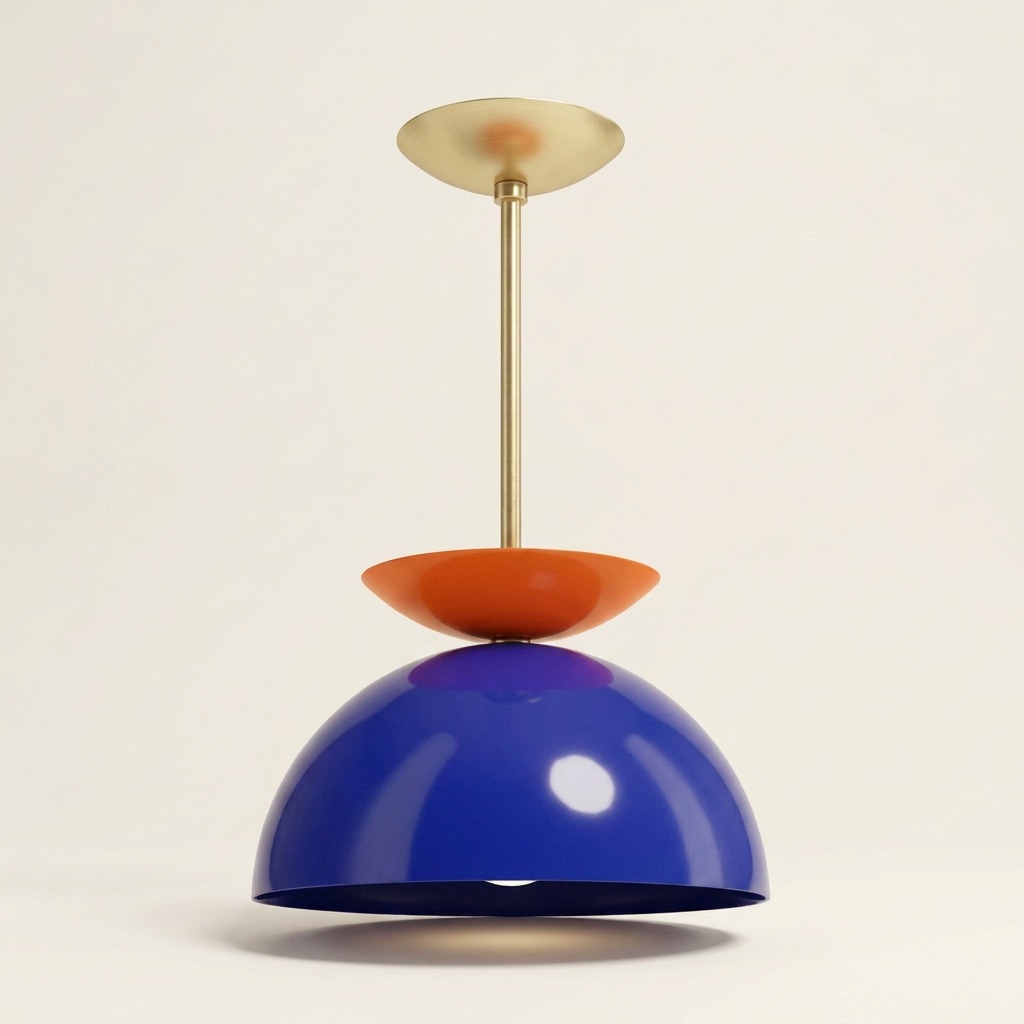
Nano introduced more blue-purple color spill around the connection between the two shades. Sunburst kept the brass connector and surrounding reflections cleaner. We treated that as a finish difference, not a failed color edit.
The useful result is 3/3 versus 3/3. Neither model recolored the small bowl, removed hardware, or created an extra lamp.
Test 3: both models retained accepted edits after a background change
We then replaced only the backdrop with pale warm gray. The cobalt lower shade, orange upper bowl, brass hardware, full crop, and camera angle were supposed to stay fixed.
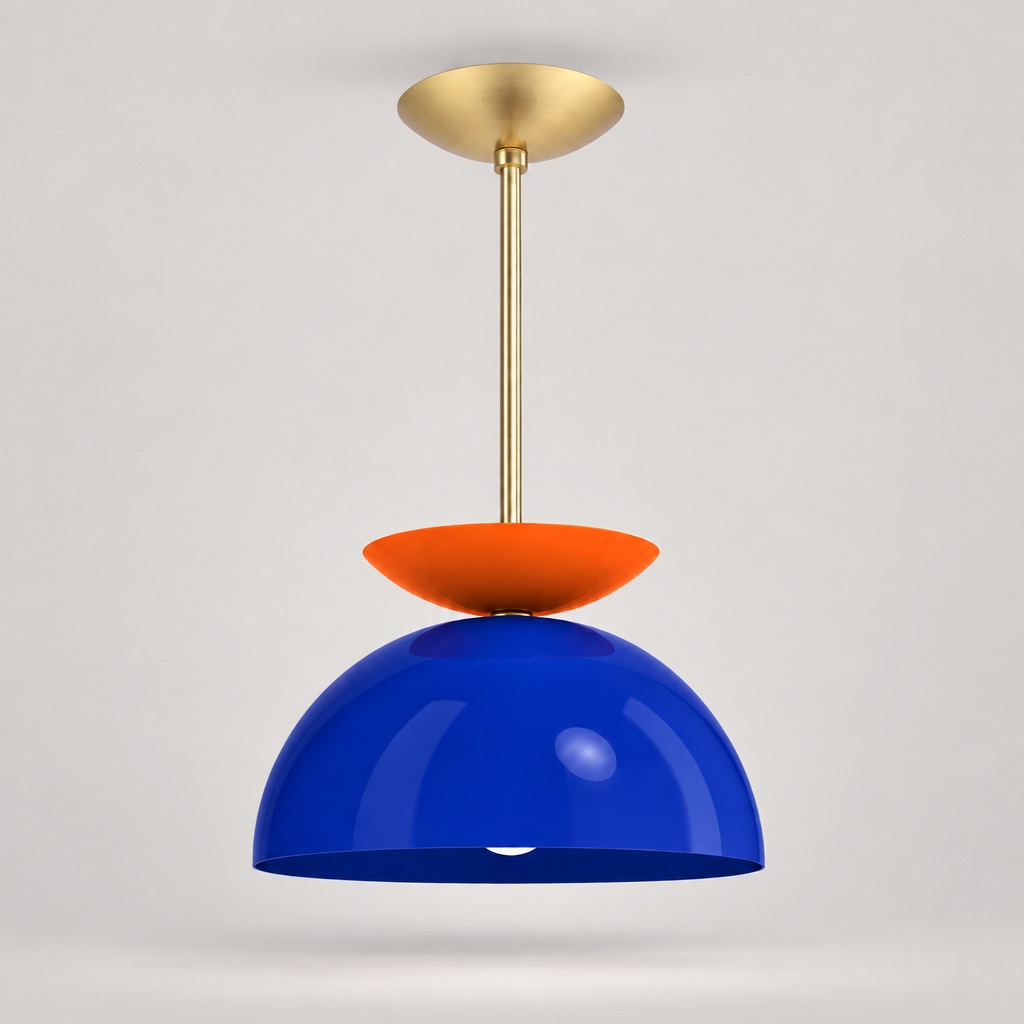
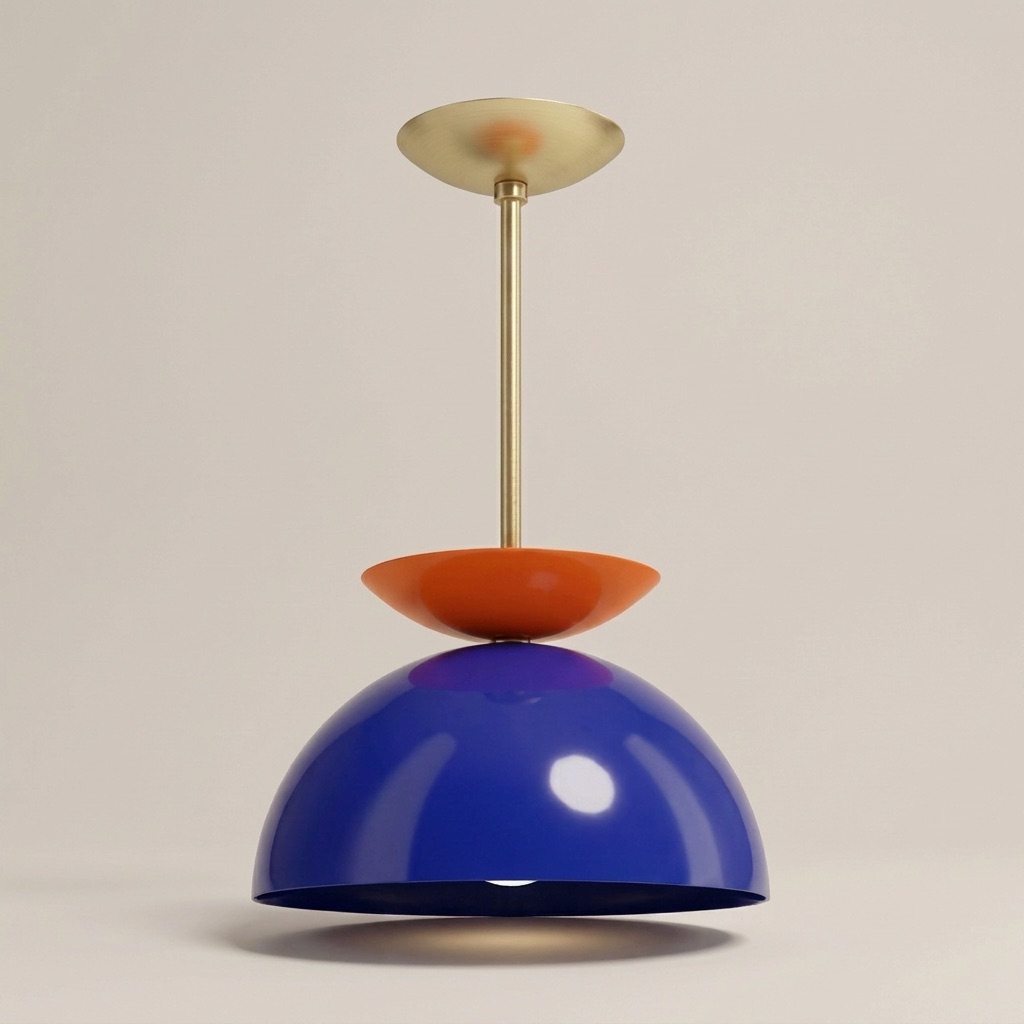
Both passed all three chains. Neither forgot the blue shade or recolored the orange bowl. Nano’s original dome drift remained, but it did not compound into a new structural error.
This is the practical meaning of revision consistency: an accepted change survives the next instruction. It is not proof that an image can tolerate unlimited edits.
Test 4: exact English text was a tie, spacing was not
Both models rendered the headline and CTA correctly in every chain. Six images, twelve requested strings, zero spelling errors.
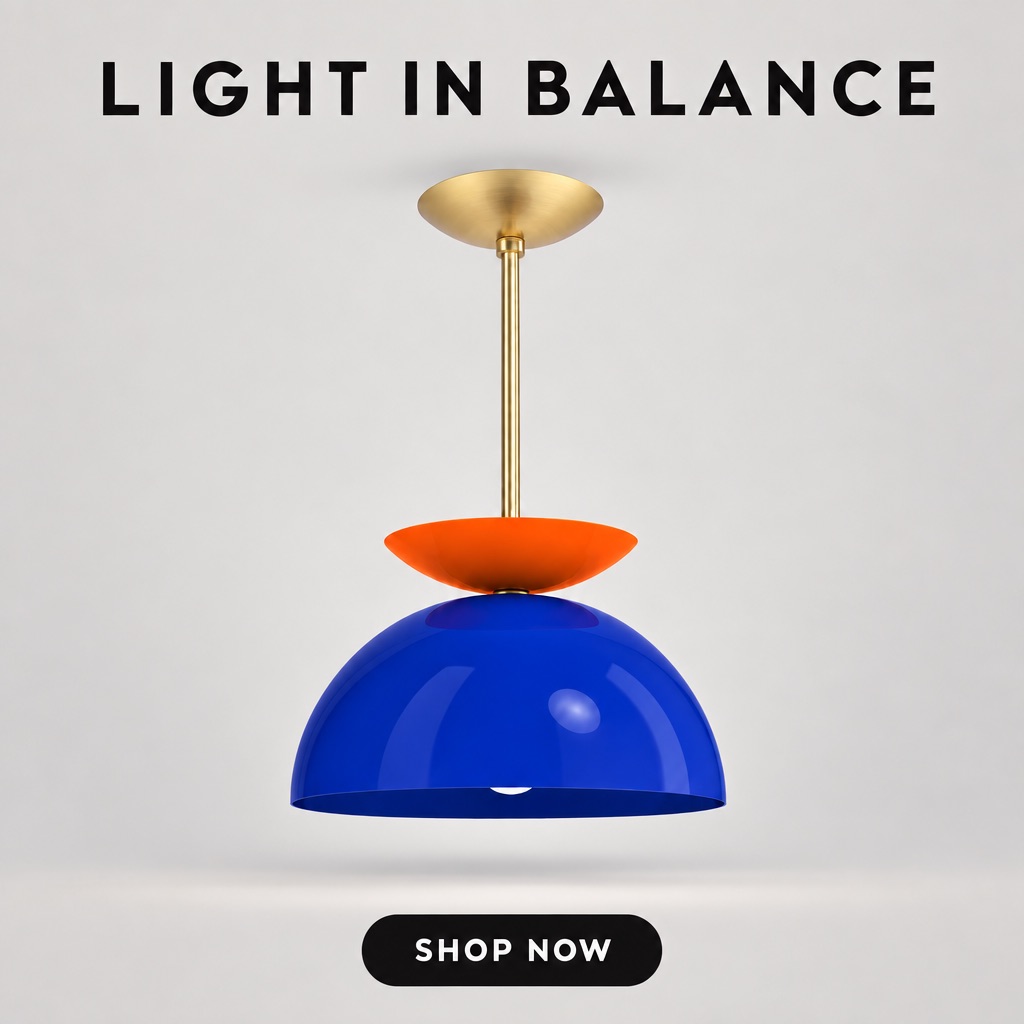
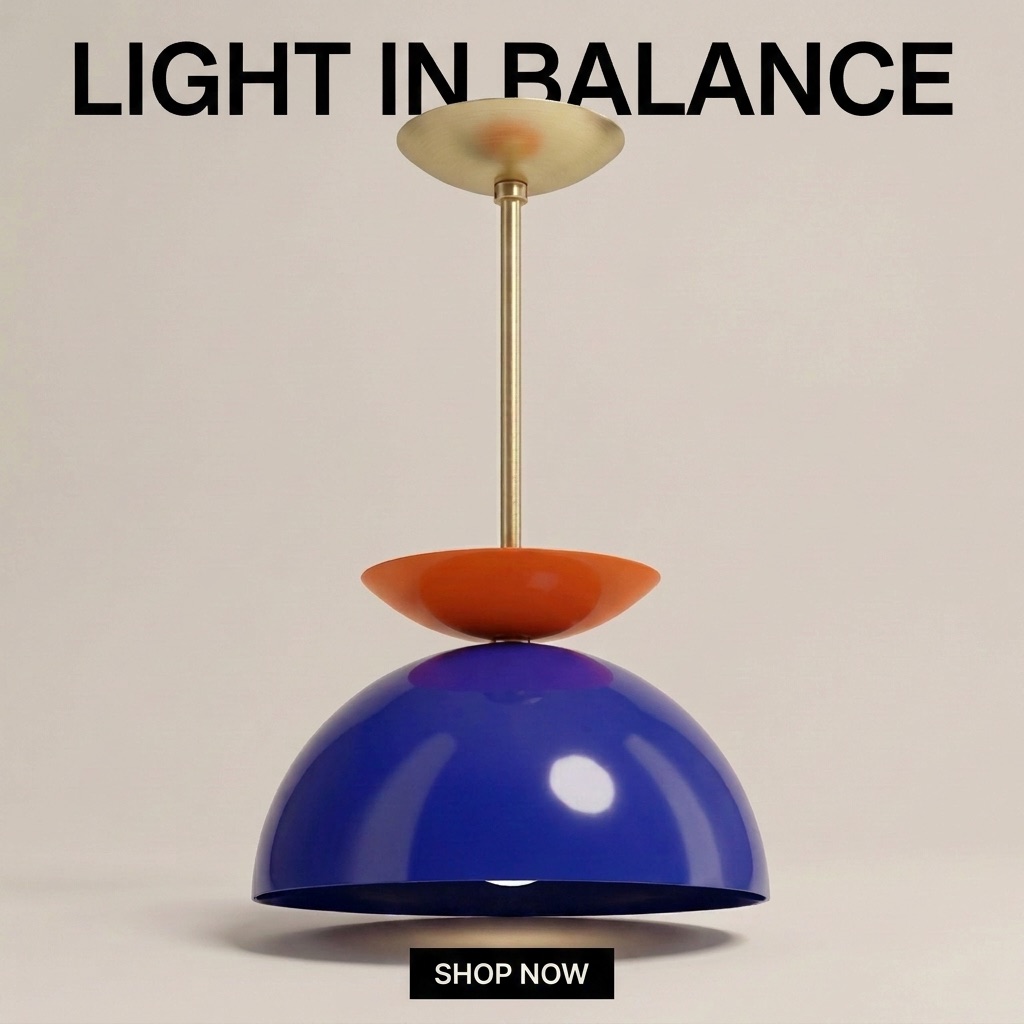
Sunburst handled the safe area better. Its three headlines and buttons sat inside more consistent margins. Nano placed the headline and CTA close to the top or bottom edge in multiple runs. Nothing was clipped, but those placements leave less room for platform crops.
This matters because correct spelling is only half of commercial text rendering. An ad still fails when a feed crop trims the headline or a CTA sits on the bleed.
Test 5: both built truthful detail layouts; Sunburst was more repeatable
The final request was structural: keep one complete hero lamp, add exactly two close-up windows, preserve both text strings, and do not invent features.
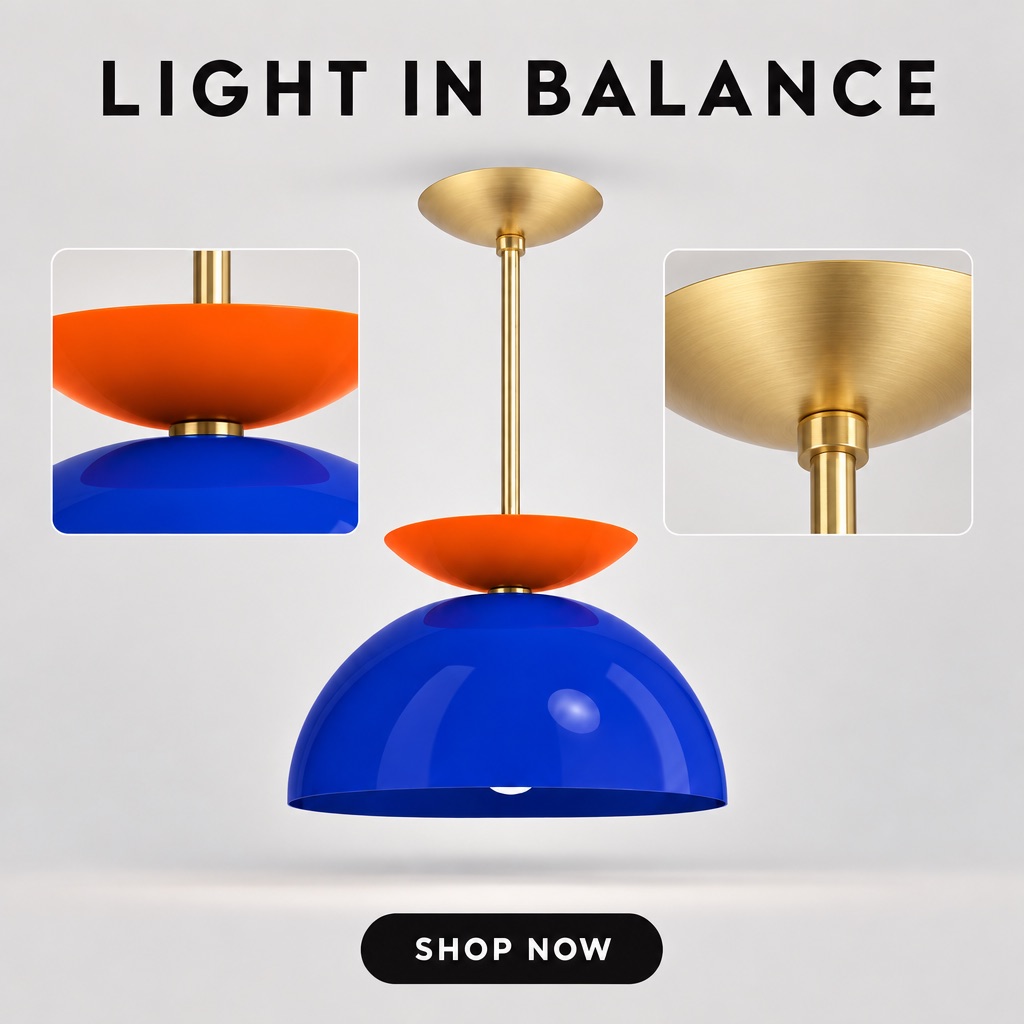
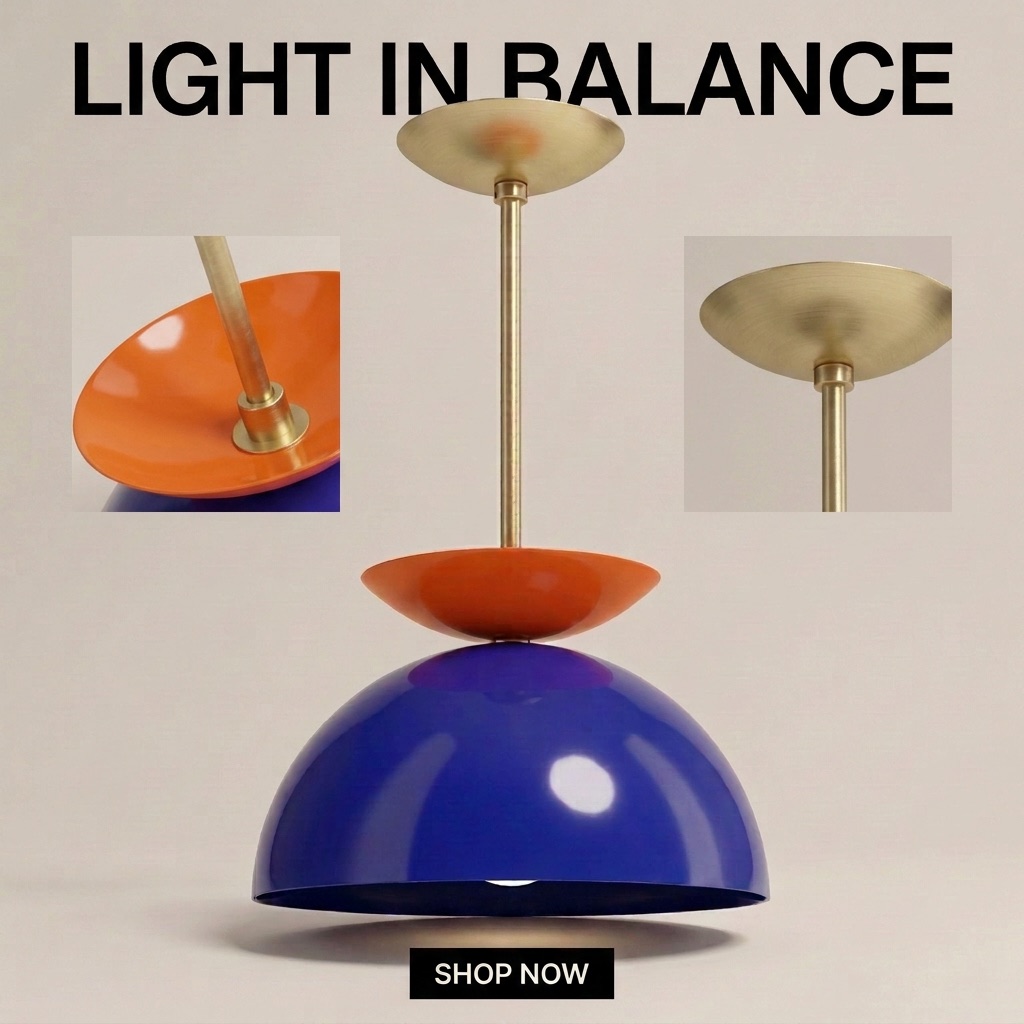
Both models passed the content contract 3/3. The detail windows showed the upper-bowl connection and canopy-to-rod joint. Neither added a second complete lamp, badge, rating, discount, or product claim.
Sunburst won repeatability. Its three final layouts used a similar pair of rounded inset cards and kept the CTA comfortably inside the frame. Nano followed the same information structure, but the window sizes, border treatment, and margins varied more.
What the credit difference means
In the IMA Studio Test service used for this experiment, each 1K Nano Banana Pro stage quoted 10 credits. Each high-quality 1024×1024 Sunburst stage quoted 31 credits.
That is a task quote from this service, on this date. It is not OpenAI or Google API pricing, and we did not have an actual-billing endpoint to verify final charges. We therefore use it only as an operational trade-off inside this test.
Nano completed every requested action at the lower quote. If your workflow can tolerate a geometry review and some manual spacing correction, that difference is meaningful. If a changed silhouette creates a false SKU representation, the cheaper generation is the expensive choice.
For another example of the checks required before using generated ads, see how one product image became three ecommerce ad formats.
Which model should you choose?
Choose GPT-Image-2.5 Sunburst for reference-led ecommerce work where the product silhouette, hardware, and repeatable layout are approval-critical. That is the stronger result from this lamp test.
Choose Nano Banana Pro when you want the lower Test credit quote and can inspect the product against its source after the first generation. It followed all later instructions, preserved exact English copy, and built the requested detail layout. Its weakness appeared at the root: product geometry.
Do not choose either model from the final image alone. Compare stage one with the source before you invest in copy, variants, or platform adaptations. A clean five-turn chain built on the wrong product is still the wrong product.
If you are starting with Nano Banana Pro, this step-by-step Ima Studio guide explains the existing workflow.
Compare Image Edits in Ima Studio
For use cases beyond this lamp comparison, explore eight GPT Image 2.5 workflows for product scenes, localized ads, portraits, comics, and focused revisions.
Test limits
- One pendant lamp cannot represent every product category.
- We tested square 1K-class outputs, not every resolution or quality tier.
- We tested English display copy, not multilingual typography.
- We did not test people, identity preservation, fashion try-on, API throughput, advertising performance, or conversion.
- Model contracts and task quotes can change after September 11, 2026.
OpenAI positions Sunburst for detailed creative work that benefits from tighter edit control. Google positions Nano Banana Pro as a high-control image generation and editing model. Those are vendor positions. The recommendation above comes from our disclosed lamp test, not from either launch page: OpenAI’s Images 2.5 announcement and Google DeepMind’s Nano Banana Pro overview.
About The Author